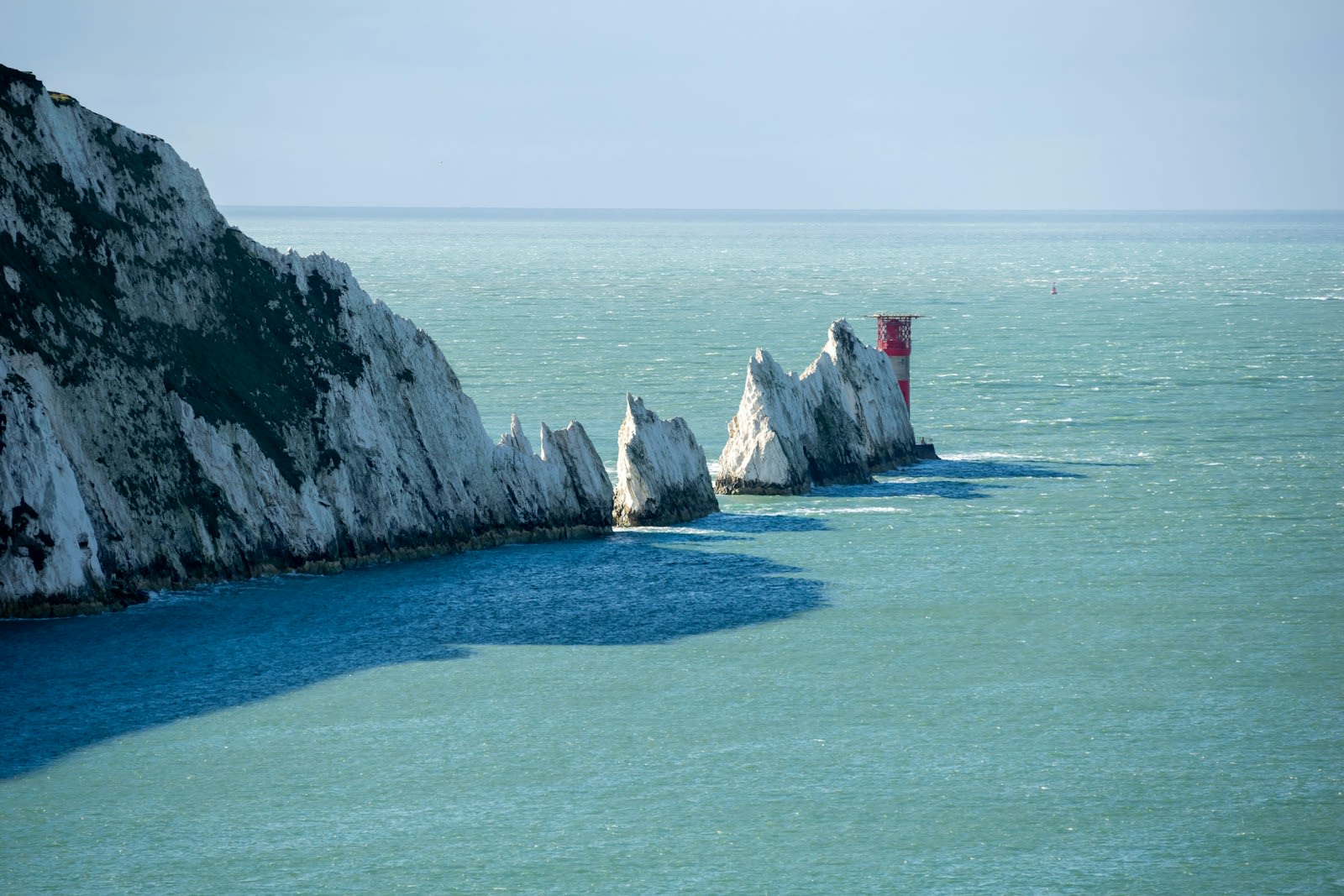
Isle of Wight
- Coach tours
- 5
- From
- £419
- Next departure
- 19 Oct 2026
- Duration
- 5–8 days
- Operator
- Shearings
Coach holidays to Isle of Wight take in places such as Cowes, Godshill and Newport. Compare the tours below by date and price, then book directly with the operator.
5 tours visiting Isle of Wight
-
Isle of Wight and Opulent Osborne House
Operated by Shearings
Visiting › Isle of Wight, Yarmouth, Cowes, Shanklin
- Day 1 · Isle of Wight Local departure by coach or Home Connect service, then we will board the ferry to the Isle of Wight and continue on to our hotel for four nights.
- Day 2 · Yarmouth Guided Island Tour Discover the ‘Diamond Isle’ on a scenic tour of the island with a local guide. We travel along the south coast of the island, passing Freshwater Bay to reach Yarmouth – a bustling town with a natural harbour. Your local…
- +2 more days here
- 5 days
- Leaves 19 Oct 2026
- 19 dates
from £519
View tour -
Shanklin and Isle of Wight Steam Railway
Operated by Shearings
Visiting › Shanklin, Yarmouth, Isle of Wight, Cowes, Godshill
- Day 1 · Shanklin Local departure by coach or Home Connect service, then crossing by ferry to the Isle of Wight and on to our hotel in Shanklin for four nights.
- Day 2 · Yarmouth, Alum Bay Guided Island Tour Discover the delights of the ‘Diamond Isle’ on our included guided scenic sightseeing tour of the island. We will introduce you to many of the popular sights that the island has to offer as we pass Freshwater Bay on the…
- +2 more days here
- 5 days
- Leaves 22 Mar 2027
- 18 dates
from £419
View tour -
The Diamond Isle of Wight at Warner Norton Grange
Operated by Shearings
Visiting › Isle of Wight, Yarmouth, Shanklin, Godshill
- Day 1 · Isle of Wight Local departure by coach or Home Connect service, then crossing by ferry to the Isle of Wight and on to Norton Grange for a four-night stay.
- Day 2 · Yarmouth Isle of Wight Island Tour Enjoy a full day scenic island tour, taking in places of interest along the way. With 57 miles of coastline, this is an island shaped by the sea, and has many pretty towns and villages dotted amongst its rolling hills…
- +2 more days here
- 5 days
- Leaves 19 Apr 2027
- 4 dates
from £489
View tour -
Isle of Wight, Osborne House and Steam Railway
Operated by Shearings
Visiting › Isle of Wight, Yarmouth, Cowes, Shanklin, Newport +1 more
- Day 1 · Isle of Wight Local departure by coach or Home Connect service, then we will board the ferry to the Isle of Wight and continue on to the Isle of Wight for seven nights.
- Day 2 · Yarmouth Guided Island Tour Enjoy an included guided sightseeing tour taking in some of the island's most beautiful spots as we tour the coastline which is dotted with pretty villages and rolling hills. We travel along the south coast of the…
- +5 more days here
- 8 days
- Leaves 7 May 2027
- 10 dates
from £889
View tour -
Isle of Wight: Castles, Coast and Wildlife
Operated by Shearings
Visiting › Cowes, Ryde, Isle of Wight, Newport
- Day 2 · Cowes The Needles Cruise and Cowes Today, enjoy an included excursion to experience the coast of the Isle of Wight and view the famous Needles. We depart for Cowes, where we board our morning Solent Cruise from the harbour and then travel along the island…
- Day 3 · Ryde Day at Leisure or Ryde Enjoy a day at leisure today to enjoy Sandown or why not join the optional excursion to Ryde? Known for its beautiful sandy beach and historic pier, this large town is one of the oldest and longest seaside piers in the…
- +1 more day here
- 5 days
- Leaves 17 May 2027
- 7 dates
from £549
View tour
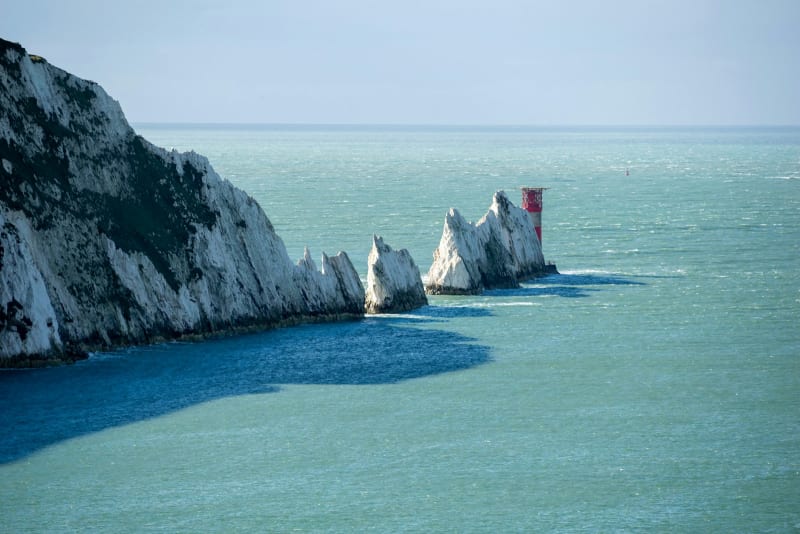
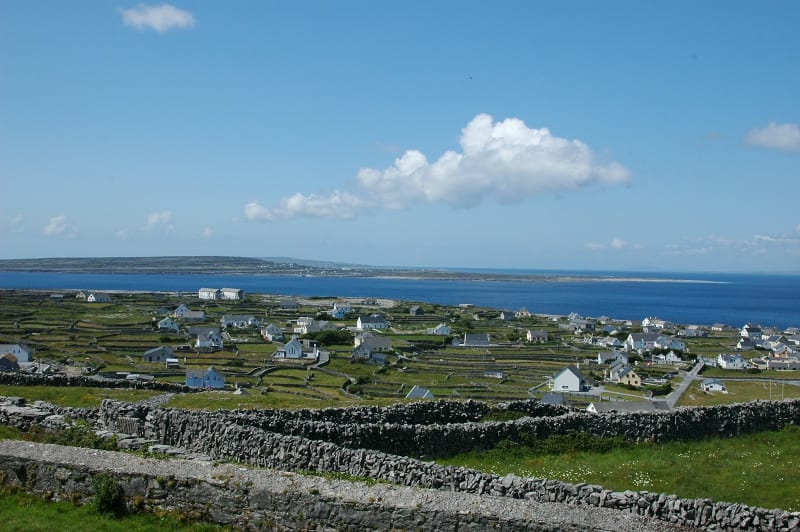
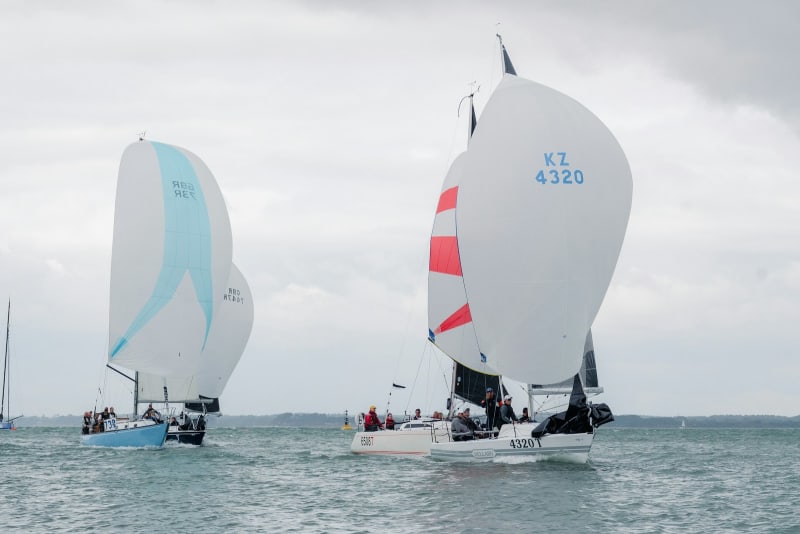
Image Attribution
- Isle of Wight — (Photo by Zhi Xuan Hew on Unsplash )
- Shanklin — (Photo by Ulrike R. Donohue on Unsplash )
- Cowes — (Photo by BEN ELLIOTT on Unsplash )
When to go
Coach tours visiting Isle of Wight, by departure month.
- Sept 2026 No tours
- Oct 2026 1 tour from £519
- Nov 2026 No tours
- Dec 2026 No tours
- Jan 2027 No tours
- Feb 2027 No tours
- Mar 2027 1 tour from £419
- Apr 2027 3 tours from £489
- May 2027 4 tours from £549
- Jun 2027 3 tours from £549
- Jul 2027 4 tours from £549
- Aug 2027 5 tours from £549
Places of Interest
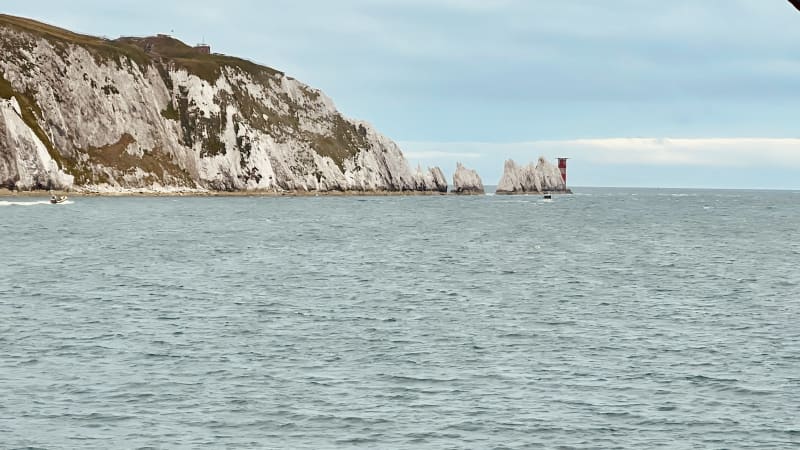
Alum Bay
Located near the western tip of the Isle of Wight, Alum Bay is famous for its multi-coloured cliffs and views of the Needles chalk stacks. Visitors can take a chairlift to the shore, collect unique sands to make souvenirs, or enjoy boat trips to the lighthouse. The area also features a clifftop park with rides and glassblowing.
Located near the western tip of the Isle of Wight, Alum Bay is best known for its stunning multi-coloured cliffs. These vibrant layers of red, yellow, grey and white were created millions of years ago when shifting earth pushed ancient sediments into a vertical position. From the bay, you can look out toward the Needles, the famous chalk stacks and lighthouse that serve as a symbol of the island.
The area is home to the Needles Landmark Attraction, a clifftop park featuring rides, shops and glassblowing. The highlight is the chairlift, which takes you from the top of the cliffs down to the shore, offering incredible views of the coloured sands and turquoise water. Once on the beach, you can collect the unique sand to make your own layered souvenir at the shop. To top it all off, boat trips to the Needles rocks and lighthouse are a must.
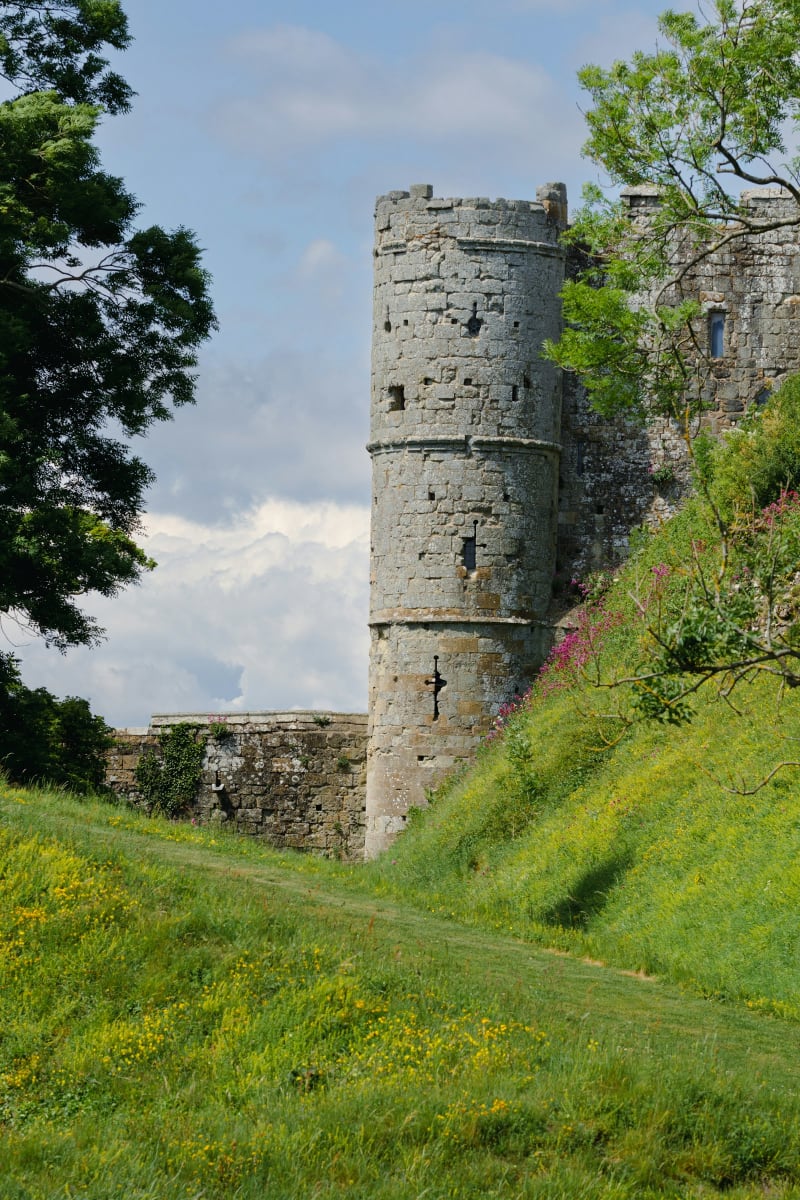
Carisbrooke Castle
Carisbrooke Castle is a medieval fortress near Newport on the Isle of Wight. Visitors can explore the massive gatehouse, walk the ramparts for sweeping views, and visit the museum dedicated to the castle's former prisoner, King Charles I. The site also features beautiful gardens and a 16th-century well house where donkeys demonstrate how water was drawn.
Perched on a hill near Newport in the center of the Isle of Wight, Carisbrooke Castle is an impressive medieval fortress built on Norman and Saxon foundations. For hundreds of years, it served as the island's primary defense, but it's most famous for being the prison of King Charles I during the English Civil War. In 1647 and 1648, just before his trial and execution, the king spent months here attempting to escape.
Managed today by English Heritage, the castle lets visitors wander the ramparts for sweeping views, explore the massive gatehouse, and learn about the royal prisoner in the museum. A favorite spot is the 16th-century well house, where donkeys show how a giant wooden wheel was used to pull water from the depths. Beautiful gardens, including a tribute to Princess Beatrice, round out this atmospheric island stronghold.
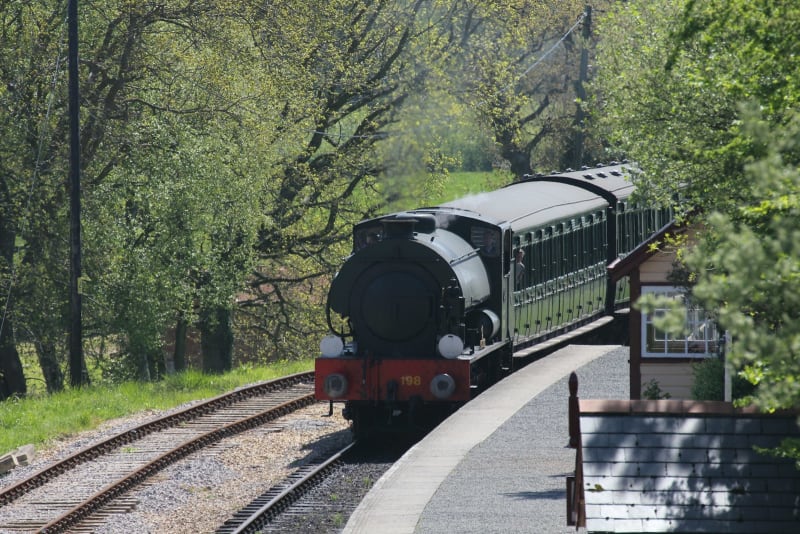
Isle of Wight Steam Railway
The Isle of Wight Steam Railway is a heritage line running from Wootton to Smallbrook Junction. Visitors can experience a nostalgic journey through the countryside in vintage carriages and restored locomotives. Based at Havenstreet, the attraction features a museum, visitor centre, engine sheds, and woodland walks, offering a charming step back in time for families and train enthusiasts.
The Isle of Wight Steam Railway takes passengers on a nostalgic five-and-a-half-mile trip through beautiful countryside, running from Wootton to Smallbrook Junction, where it links up with the island's main line. The route is a remnant of the sprawling Victorian railway network built in the 1870s, most of which was shut down in the 60s. A dedicated group of enthusiasts managed to save a section of the track, starting up preserved services in the early 1970s.
What makes this railway special is its commitment to authentic Victorian and Edwardian style, featuring restored locomotives and vintage carriages that are some of the oldest still running in Britain. The hub of the operation is at Havenstreet, which houses the engine sheds, a visitor centre, a museum, woodland walks and a cafe. As the train winds through the fields and woods, it feels like stepping back into a slower age of travel. It's a charming experience that appeals to train buffs and families alike.
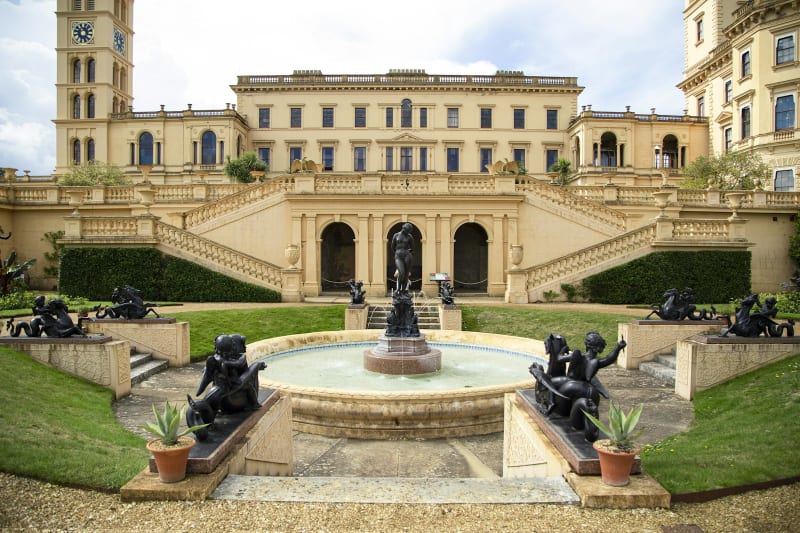
Osborne House
Osborne House is a former royal retreat on the Isle of Wight designed as an Italian Renaissance palazzo. Visitors can explore lavish state rooms and the Swiss Cottage where the royal children were educated. The estate features terraced gardens that lead down to a private beach and the Queen's bathing machine, blending royal heritage with coastal scenery.
Perched above the Solent near East Cowes on the Isle of Wight, Osborne House was the favorite getaway of Queen Victoria and Prince Albert. Designed by Albert himself in the 1840s and 50s to resemble an Italian Renaissance palazzo, the home served as a private sanctuary far from the strict rules of court. It was the place where Queen Victoria spent her final days in 1901, and the estate is now managed by English Heritage.
Guests can wander through lavish state rooms and private quarters that look much as they did when the royals lived there, including the grand Durbar Room marking Victoria's time as Empress of India. The grounds are just as impressive, with terraced gardens leading down to a private beach and the Queen's own bathing machine. A highlight is the Swiss Cottage, a chalet where the royal children were taught practical skills like cooking and gardening. Blending royal heritage with stunning coastal scenery, Osborne is a charming spot for a day trip.
Sandown Pier
Sandown Pier is a traditional landmark on the Isle of Wight stretching into Sandown Bay. It is a hub for family entertainment, featuring arcades, dodgems, bowling, mini-golf and soft play. Visitors can enjoy cafés and bars, stroll for views across the bay or fish at the pier's end.
Sandown Pier is a quintessential British landmark stretching out over the sandy shores of Sandown Bay on the Isle of Wight. First opened in 1879 during the Victorian era's seaside craze, it eventually added a pavilion theatre and grew into a bustling hub for entertainment. Like so many piers, it faced its share of wartime struggles and fires, but it has been restored and stays at the heart of the town's waterfront.
Nowadays, the pier is full of family attractions, including arcades, dodgems, bowling, mini-golf, and soft play, all sheltered from the weather and open all year. You'll find anglers fishing at the end of the pier, while others simply enjoy a stroll for the sea breeze and stunning views across the bay. With plenty of cafés and bars to stop at, and plaques sharing its history along the way, the pier remains a nostalgic spot for traditional seaside fun.
Wildheart Animal Sanctuary
Located in a Victorian coastal fort in Sandown on the Isle of Wight, Wildheart Animal Sanctuary is a refuge for rescued animals. Visitors can explore spacious habitats housing tigers, African lions, and lynx while learning about conservation and the animals' stories from keepers.
Wildheart Animal Sanctuary is located on the seafront in Sandown on the Isle of Wight, set inside a Victorian coastal fort built in 1864. A zoo first opened here in the 1950s, later becoming the Isle of Wight Zoo. Starting in the 1970s, the Corney family began transforming it into a refuge for big cats. It transitioned into a charitable trust in 2017 and was renamed the Wildheart Animal Sanctuary in 2021 to better reflect its commitment to rescue and welfare.
The sanctuary looks after tigers, African lions, lynx, and other animals, many of whom were saved from poor conditions abroad and now live in spacious, natural habitats. Visitors can get a close look at these incredible animals, hear their stories from the keepers, and learn about the sanctuary's conservation efforts. Spanning several acres within the historic fort, it provides a meaningful and moving experience for any animal lover.
Places in Isle of Wight
Isle of Wight coach holidays: FAQs
How much does a coach holiday to Isle of Wight cost?
Coach holidays visiting Isle of Wight start from £419 per person. That's the lowest price across the 5 coach tours with upcoming departures; each tour's own dates and prices are listed above.
How long are coach holidays to Isle of Wight?
Coach holidays visiting Isle of Wight last between 5 and 8 days, travel days included.
When do coach tours to Isle of Wight depart?
Upcoming departures run from October 2026 to October 2028. August 2027 has the most choice, with 5 tours departing.
Which coach holiday companies go to Isle of Wight?
Tours visiting Isle of Wight are run by Shearings. You book directly with the operator.
Image Attribution
- Isle of Wight — (Photo by Zhi Xuan Hew on Unsplash )
- Cowes — (Photo by BEN ELLIOTT on Unsplash )
- Godshill — (Photo by BEN ELLIOTT on Unsplash )
- Newport — (Photo by BEN ELLIOTT on Unsplash )
- Ryde — (Photo by Paul Arky on Unsplash )
- Shanklin — (Photo by Ulrike R. Donohue on Unsplash )
- Yarmouth — (Photo by BEN ELLIOTT on Unsplash )
- Alum Bay — (Photo by Andy Watkins on Unsplash )
- Carisbrooke Castle — (Photo by Paul Arky on Unsplash )
- Isle of Wight Steam Railway — (Photo by Craig Chilton on Unsplash )
- Osborne House — (Photo by Robert Anderson on Unsplash )