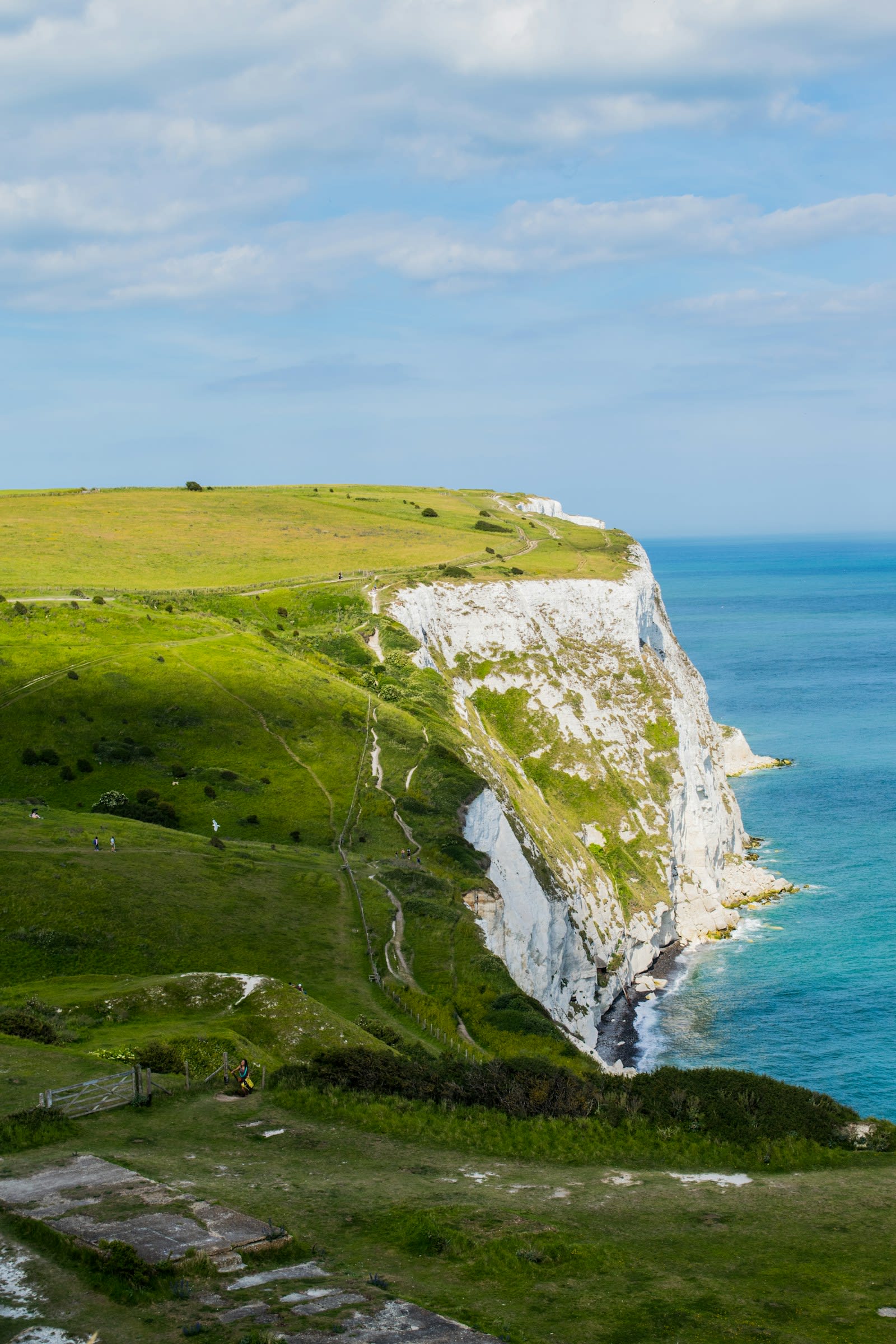
Kent
- Coach tours
- 14
- From
- £239
- Next departure
- 23 Nov 2026
- Duration
- 3–7 days
- Operators
- Just Go Holidays, Shearings
Coach holidays to Kent take in places such as Canterbury, Folkestone and Herne Bay. Compare the tours below by date and price, then book directly with the operator.
14 tours visiting Kent
-
Lake District Turkey and Tinsel Break
Operated by Shearings
Visiting › Kendal, Keswick, Grasmere, Kent, Bowness-on-Windermere +1 more
- Day 3 · Kent At Leisure in Kendal Spend the day enjoying the market town of Kendal on the banks of the River Kent. Take time to wander through its pedestrianised centre and distinctive network of historic yards, visit the ruins of the 13th-century…
- 5 days
- Leaves 23 Nov 2026
- 1 date
from £499
View tour -
Christmas in Canterbury
Operated by Shearings
Visiting › Kent, East Sussex, Canterbury, Margate
- Day 1 · Kent Journey to Kent Travel by coach to your hotel in Kent, where refreshments and cake await your arrival while you check in. Settle into your room before enjoying your evening meal.
- Day 2 · Kent & East Sussex Railway, Canterbury Cathedral Santa Special Train and Canterbury The day begins with a festive 75-minute ride on the Kent & East Sussex Steam Railway. Travelling in decorated heritage carriages, you will be served a warming hot drink or mulled wine, accompanied by a visit from Santa…
- +1 more day here
- 5 days
- Leaves 23 Dec 2026
- 2 dates
from £829
View tour -
Kent & Charming Canterbury
Operated by Just Go Holidays
Visiting › Kent, Canterbury, Whitstable, Hastings, Rye
- Day 1 · Kent Travel to Kent Join the coach at your local morning pickup point and travel to your hotel in Kent.
- Day 2 · Canterbury Canterbury Spend the day exploring Canterbury, known for its cobbled lanes, medieval walls and timber-framed architecture. It is home to England's oldest cathedral, which dates from Norman times, as well as the historic ruins of St…
- +1 more day here
- 5 days
- Leaves 22 Feb 2027
- 6 dates
from £279
View tour -
Folkestone, Canterbury & Charming Kent
Operated by Just Go Holidays
Visiting › Canterbury, Whitstable, Hastings, Rye
- Day 2 · Canterbury Canterbury Enjoy a half-day excursion to the historic city of Canterbury. Here, you can discover timber-framed buildings, picturesque cobbled lanes, and surviving sections of the medieval city walls, as well as England's oldest…
- Day 3 · Whitstable Broadstairs and Whitstable Visit the seaside town of Broadstairs, where Charles Dickens wrote portions of David Copperfield and Bleak House. The town offers a variety of inviting shops and places to eat tucked away along narrow passages…
- 5 days
- Leaves 19 Apr 2027
- 18 dates
from £299
View tour -
Folkestone, Kent and Canterbury Weekend
Operated by Just Go Holidays
Visiting › Canterbury, Whitstable
- Day 2 · Canterbury Canterbury Head to Canterbury for a day exploring its historic streets. The city retains a welcoming town-like feel, framed by medieval walls, cobbled lanes, and traditional timber-framed architecture. It is also home to England's…
- Day 3 · Whitstable (optional) Broadstairs and Whitstable Spend the day at your own pace, or join an optional excursion visiting two classic coastal destinations. The tour calls at Broadstairs, known for its award-winning beaches and narrow passageways filled with eateries and…
- 4 days
- Leaves 23 Apr 2027
- 13 dates
from £239
View tour -
Folkestone, Coastal Kent & a Taste of France
Operated by Just Go Holidays
Visiting › Margate, Folkestone, Canterbury
- Day 2 · Margate Sandwich and Margate Spend a full day exploring two distinctive Kent destinations. First, visit the former Cinque Port of Sandwich on the River Stour, where you can wander through winding medieval lanes or walk along the well-preserved…
- Day 5 · Folkestone At Leisure in Folkestone Enjoy a free day to relax in Folkestone at your own pace. You might take a scenic walk along the clifftops, unwind on the beach, or browse the independent boutiques, art galleries, and studios tucked away in the Creative…
- +1 more day here
- 7 days
- Leaves 25 Apr 2027
- 14 dates
from £549
View tour -
Castles, Cathedrals and Coastlines of Kent
Operated by Shearings
Visiting › Canterbury, Kent, Margate, Whitstable, Herne Bay
- Day 1 · Canterbury Arrival in Canterbury Board the coach at your local joining point and travel into Kent to settle into the Best Western Abbots Barton Hotel in Canterbury, your base for the next four nights.
- Day 2 · Dover Castle, Walmer Castle, White Cliffs of Dover Dover Castle and Walmer Castle and Gardens Begin the day high on the White Cliffs at Dover Castle, exploring its formidable medieval keep and underground wartime tunnels. In the afternoon, travel along the shoreline to Walmer Castle and Gardens. Built as a…
- +2 more days here
- 5 days
- Leaves 26 Apr 2027
- 6 dates
from £619
View tour -
Skegness, Spitfires and the Lincolnshire Wolds
Operated by Shearings
Visiting › Folkestone, Lincoln, Mablethorpe, Louth
- Day 2 · Battle of Britain Memorial Battle of Britain Memorial Flight and Lincoln The day begins at RAF Coningsby with a guided tour of the Battle of Britain Memorial Flight hangar. Led by knowledgeable guides, the 60- to 90-minute visit offers a rare glimpse of historic aircraft such as the…
- 5 days
- Leaves 3 May 2027
- 3 dates
from £519
View tour -
Welcome to Poplar: Call the Midwife Official Location Tour
Operated by Shearings
Visiting › Kent, London, Cambridge
- Day 2 · The Historic Dockyard Chatham Call the Midwife Tour at Chatham Historic Dockyard Head to the Historic Dockyard Chatham for the official Call the Midwife location tour. Led by a guide in costume, this guided walk highlights the spots where the series' outdoor scenes are brought to life. Your ticket…
- 3 days
- Leaves 4 Jun 2027
- 3 dates
from £269
View tour -
Historic Homes of Kent and Heritage Railways
Operated by Shearings
Visiting › Kent, East Sussex
- Day 2 · Kent & East Sussex Railway, Scotney Castle Kent & East Sussex Railway and Scotney Castle After breakfast, travel by coach to the market town of Tenterden to board the Kent & East Sussex Railway. Enjoy a scenic return train ride to Bodiam, followed by some free time in Tenterden to browse the shops or visit a…
- Day 3 · Penshurst Place, Hever Castle Penshurst Place and Hever Castle Today begins with a coach excursion to Penshurst Place and Gardens. Once used as a royal hunting lodge by Henry VIII, the estate was granted to the Sidney family in 1552 and remains their ancestral home, renowned for its…
- +1 more day here
- 5 days
- Leaves 7 Jun 2027
- 2 dates
from £1,059
View tour

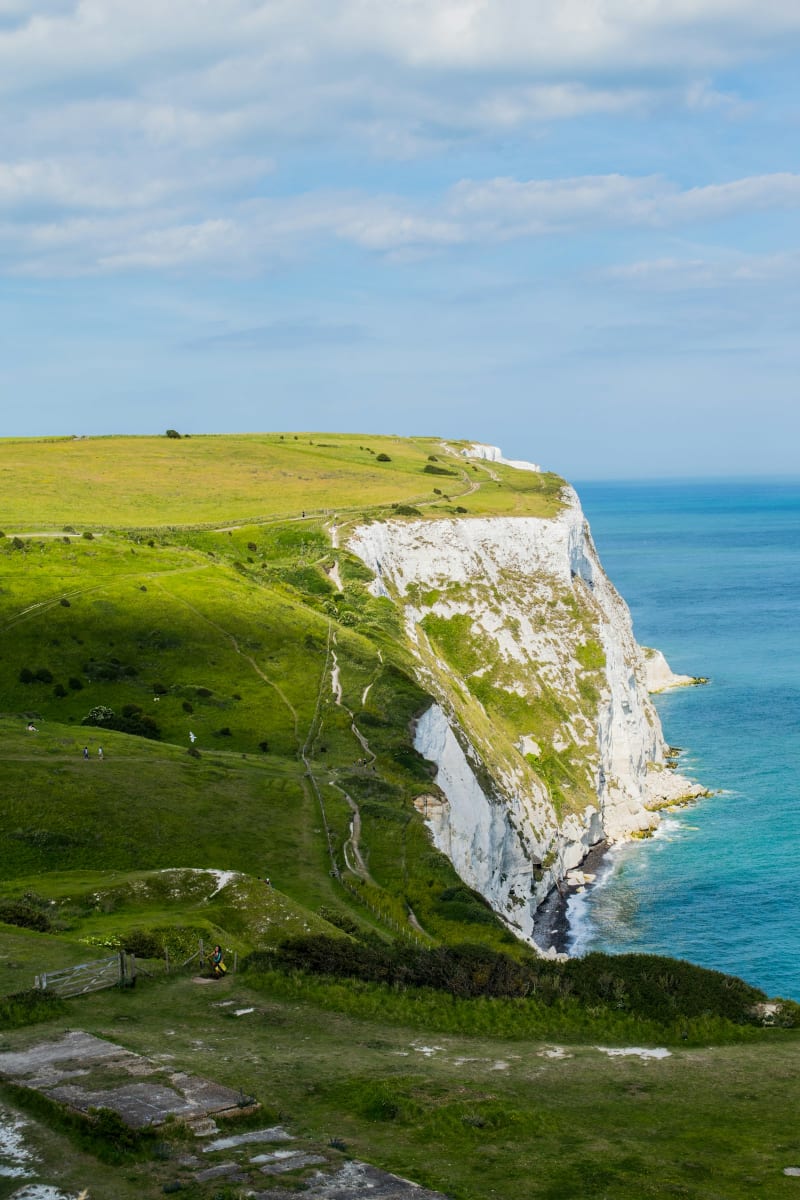
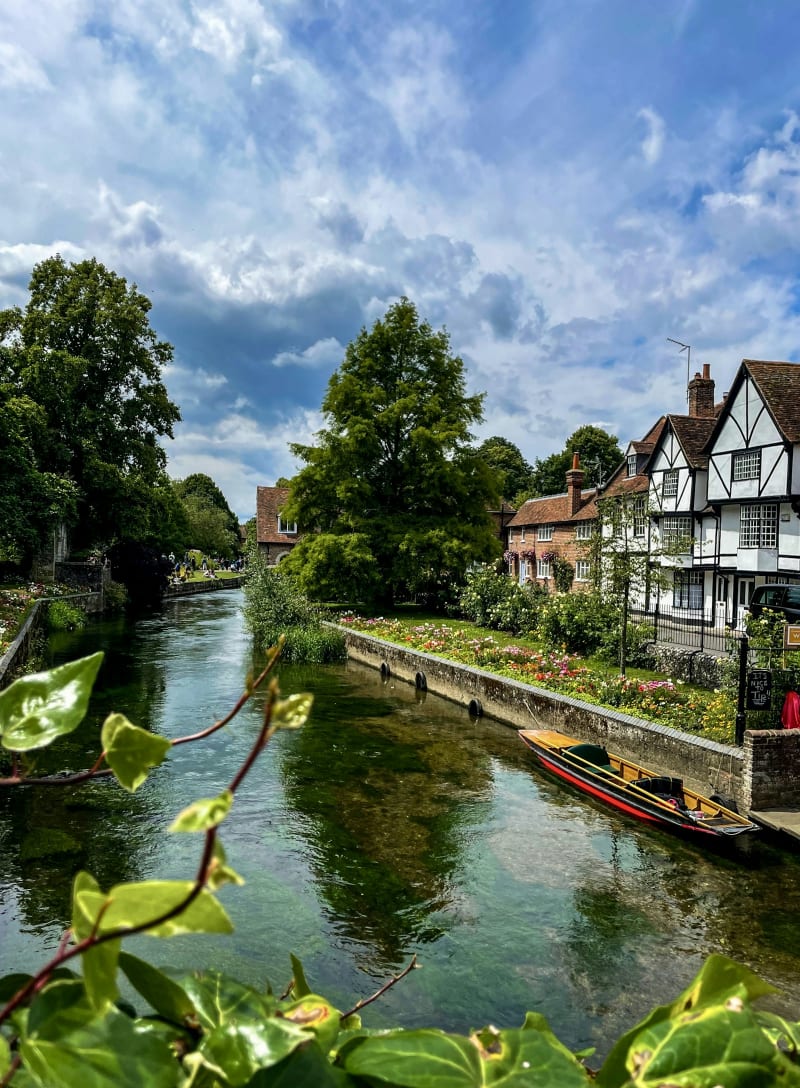
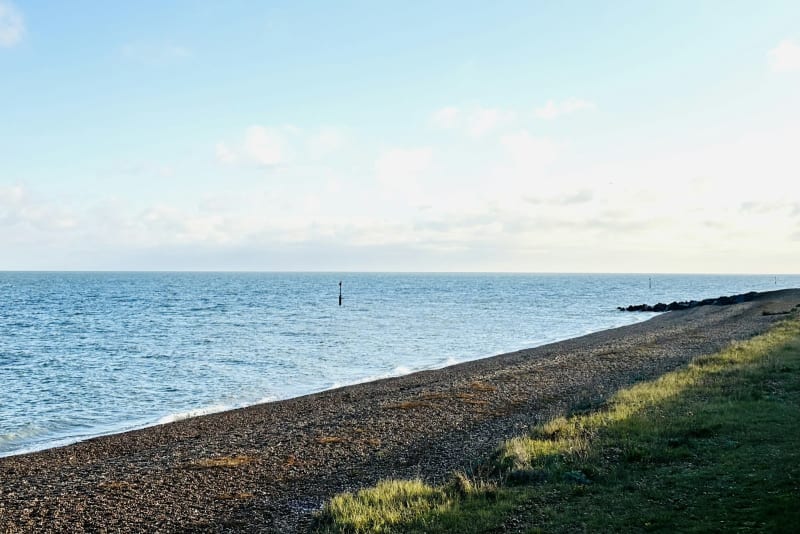
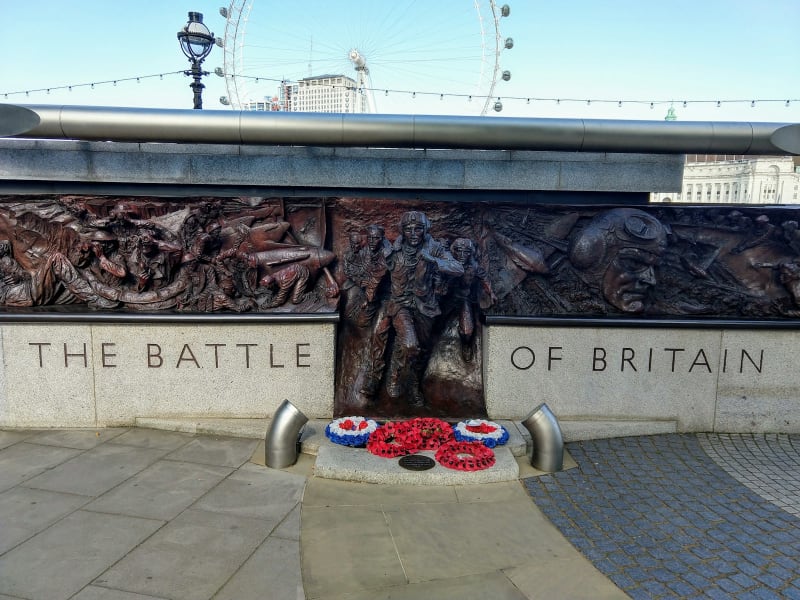
Image Attribution
- Kendal — (Photo by Jonny Gios on Unsplash )
- Kent — (Photo by Vilmantas Bekesius on Unsplash )
- Canterbury — (Photo by Daniil Korbut on Unsplash )
- Margate — (Photo by Rich Tervet on Unsplash )
- Battle of Britain Memorial — (Photo by Zaymuel on Unsplash )
- The Historic Dockyard Chatham — (Photo by Jez Timms on Unsplash )
- Kent & East Sussex Railway — (Photo by Alistair on Unsplash )
When to go
Coach tours visiting Kent, by departure month.
- Oct 2026 No tours
- Nov 2026 1 tour from £499
- Dec 2026 1 tour from £829
- Jan 2027 No tours
- Feb 2027 1 tour from £279
- Mar 2027 1 tour from £289
- Apr 2027 4 tours from £239
- May 2027 5 tours from £259
- Jun 2027 7 tours from £269
- Jul 2027 6 tours from £269
- Aug 2027 5 tours from £269
- Sept 2027 7 tours from £269
Places of Interest
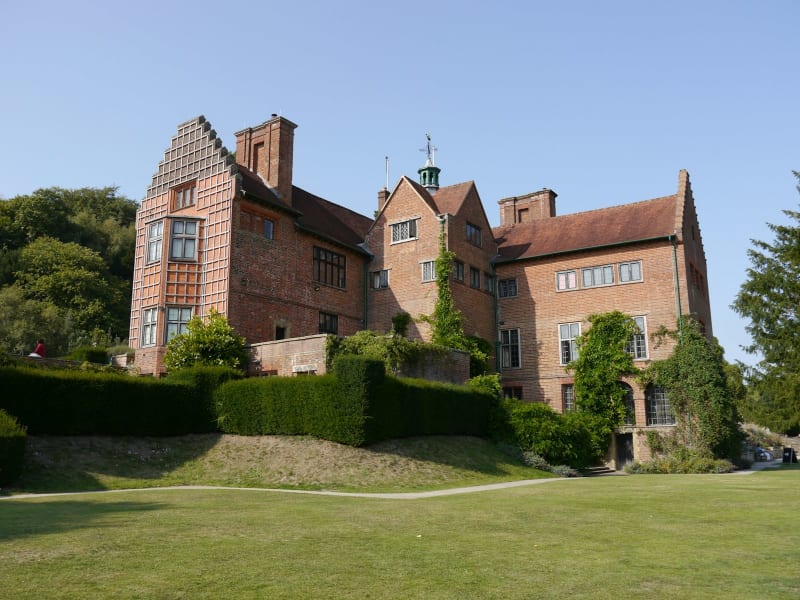
Chartwell House
Chartwell is the former family home of Sir Winston Churchill, located near Westerham in Kent. Visitors can explore a house filled with his personal belongings and a garden studio housing his paintings. The grounds feature the Kentish countryside, lakes and walls built by Churchill himself, and Clementine's rose garden.
Chartwell was the cherished family home of Sir Winston Churchill, nestled in the hills near Westerham, Kent. He bought the property in 1922, drawn by the stunning views over the Weald. For over forty years, until shortly before he died in 1965, it served as his private sanctuary where he could write, paint, host guests, and escape the pressures of public life. After friends saved the estate for the nation and gave it to the National Trust, it opened to visitors in 1966.
The house remains much as the Churchills left it, packed with the books, maps, and personal belongings that bring Winston's world to life. In the garden studio, you'll find his largest collection of paintings, showing a more creative side of the man. Outside, guests can explore the grounds that inspired him, including the lakes he dug, the walls he built himself, and Clementine's rose garden, all surrounded by the beauty of the Kentish countryside.
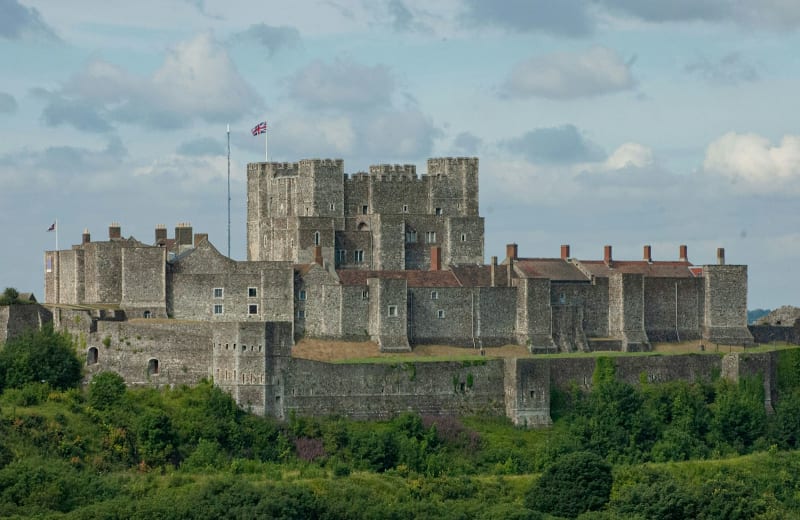
Dover Castle
Dover Castle is an English Heritage fortress overlooking the white cliffs of Dover. Visitors can explore a Roman lighthouse, a Saxon church, and Henry II's Great Tower. The site is also known for its secret wartime tunnels used during the Dunkirk evacuation, while the ramparts offer sweeping views across the Channel.
Perched atop the famous white cliffs overlooking Dover, this massive English Heritage fortress has stood watch over England's gateway to Europe for nearly two thousand years. Inside, you'll find a Saxon church and the ruins of a Roman lighthouse, one of the oldest buildings in the country. At the center sits the Great Tower, built by Henry II in the late 1100s as a bold symbol of royal power, protected by layers of defensive walls.
You can tour the Great Tower to see its interiors brought back to life as Henry II's court, or stroll along the ramparts for incredible views of the Channel. The castle's real hidden gem is underground: a system of secret wartime tunnels that acted as the command center for the 1940 Dunkirk evacuation and later as a hospital. From medieval royalty to World War II, Dover Castle provides a fascinating glimpse into several different eras of British history.
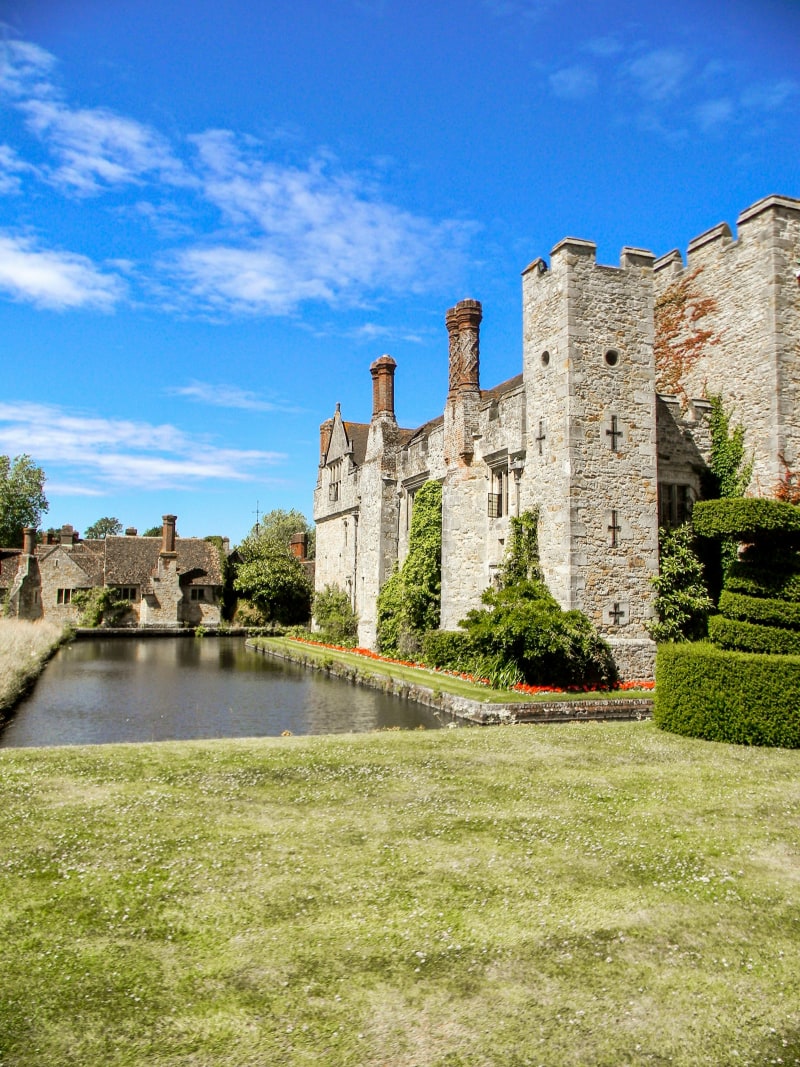
Hever Castle
Hever Castle is a double-moated estate in the Kent countryside. Famous as the childhood home of Anne Boleyn, it features Tudor rooms filled with antiques and tapestries. Visitors can explore 125 acres of grounds, including a lake, two mazes, and rose and Italian gardens.
Nestled in the Kent countryside, Hever Castle is a stunning double-moated estate famous for being the childhood home of Anne Boleyn, Henry VIII's tragic second wife and the mother of Elizabeth I. While parts of the castle date back to the thirteenth century, the Boleyn family later turned the fortified gatehouse into a cozy Tudor manor. This is where Henry VIII courted Anne, linking the castle forever to the drama of the English Reformation.
In the early 1900s, American millionaire William Waldorf Astor purchased Hever and spent a fortune restoring the building and designing lavish gardens. Today, guests can wander through Tudor rooms filled with antiques, portraits, and tapestries, including prayer books once used by Anne Boleyn. The 125 acres of grounds are a draw in their own right, featuring rose and Italian gardens, two mazes, and a lake, making it a great place to visit any time of year.
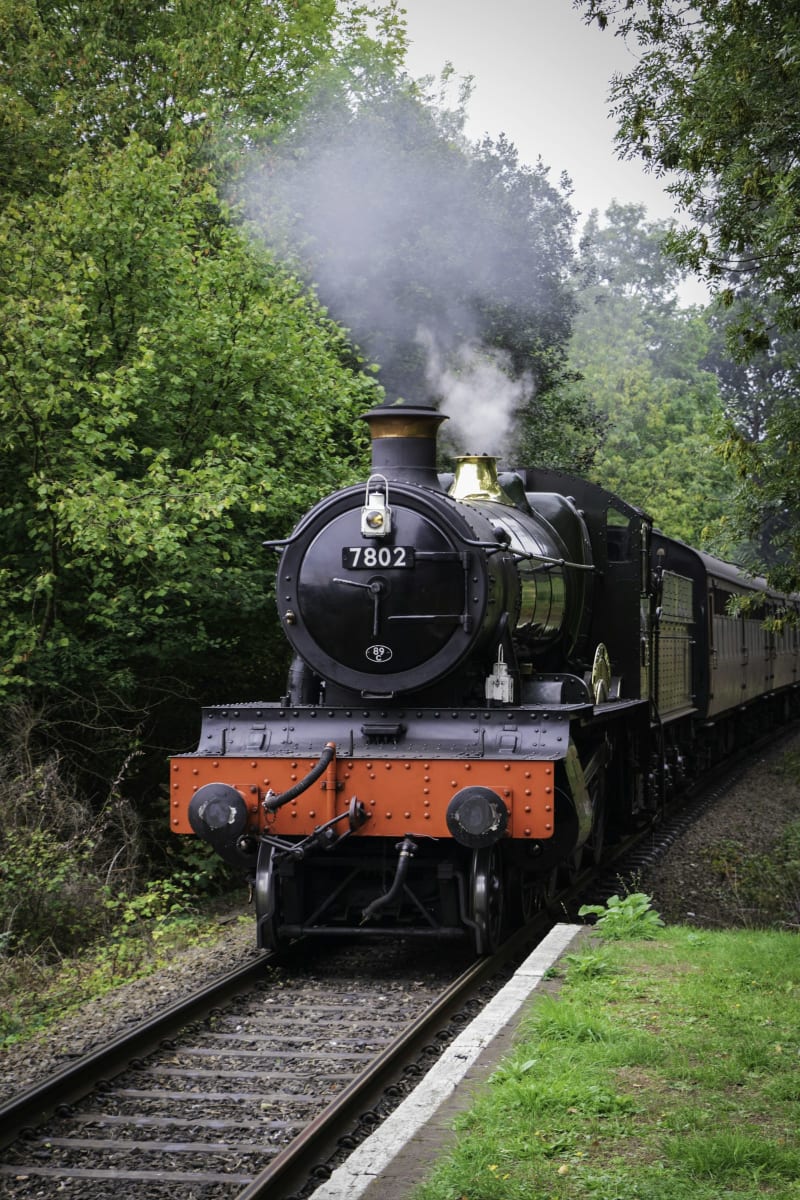
Kent & East Sussex Railway
The Kent and East Sussex Railway is a heritage line running from Tenterden in Kent to Bodiam in East Sussex. Visitors can ride steam or diesel trains through the beautiful Rother valley scenery to Bodiam's moated castle. The experience includes the Colonel Stephens Railway Museum and a variety of themed events, such as steam galas and 1940s weekends.
The Kent and East Sussex Railway is a charming heritage line stretching about ten and a half miles from the historic town of Tenterden in Kent to Bodiam in East Sussex, right by its famous moated castle. Originally built as a rural light railway by the pioneering engineer Colonel Holman F. Stephens, the line was designed to be cost-effective and is now carefully maintained by a dedicated team of volunteers.
Most trips are hauled by steam, though heritage diesels occasionally run, taking passengers through the beautiful scenery of the Rother valley, which is often called some of the best medieval countryside in north-west Europe. In Tenterden, the Colonel Stephens Railway Museum honors the man behind Britain's rural lines with exhibits on all sixteen of his projects. The trip is a great pairing with a visit to Bodiam Castle, and the railway keeps things lively with a full calendar of events, including steam galas, 1940s weekends, and festive Santa specials.
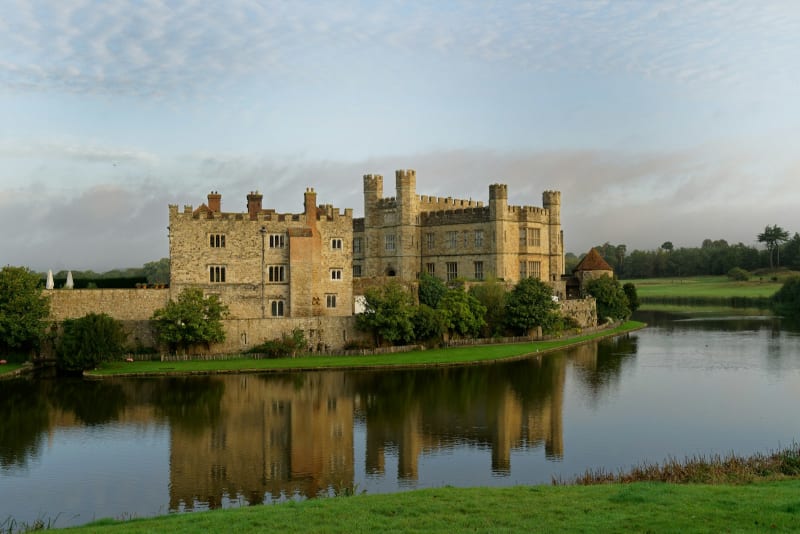
Leeds Castle
Located on two islands in a lake near Maidstone, Kent, Leeds Castle is renowned for its beauty. Visitors can explore opulent rooms, stroll through vibrant gardens, and navigate a yew maze with a hidden grotto. The site also features a dog collar museum, falconry displays, and a kids' play area set within vast parkland.
Perched on two islands in a wide lake near Maidstone, Kent, Leeds Castle is so stunning it's often called the most beautiful castle in the world. With a history stretching back to the Normans, it served as a home for several medieval English queens, earning it the name 'the ladies' castle'. Henry VIII later turned it into a palace for Catherine of Aragon, and in the 1900s, Lady Baillie meticulously restored and furnished the interiors.
Surrounded by vast parkland, the castle features opulent rooms and plenty to do outside. You can get lost in the yew maze and its hidden grotto, stroll through vibrant gardens, watch the birds on the moat, or check out the quirky dog collar museum. Between the falconry displays, the kids' play area, and the lakeside paths, it's a great spot for families and history buffs.
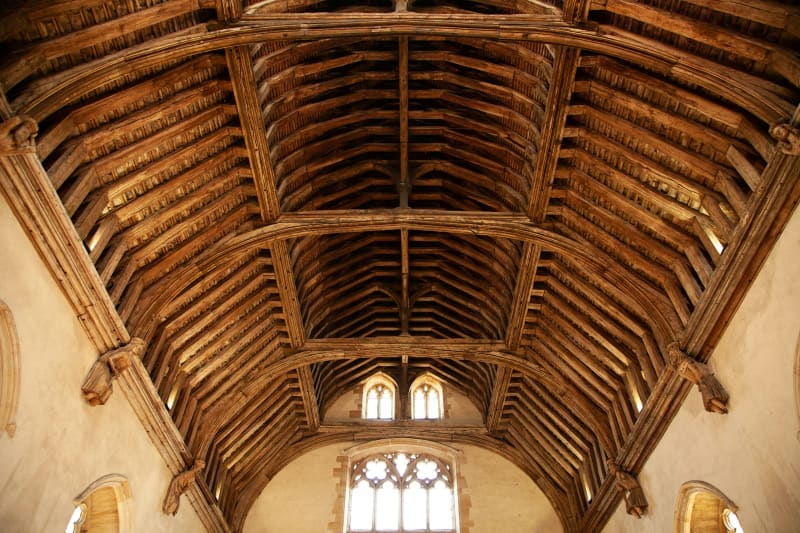
Penshurst Place
Penshurst Place is a historic estate in the Kentish countryside. Visitors can explore one of England's best-preserved medieval halls and state rooms filled with armor and portraits. Other draws include eleven acres of walled Elizabethan gardens with clipped yew hedges, a toy museum, a nature trail, and an adventure playground.
Located in the Kentish countryside near Tonbridge, Penshurst Place is one of England's finest surviving examples of 14th-century domestic architecture. Built in 1341 for Sir John de Pulteney, a wealthy London merchant and former Lord Mayor, its centerpiece is the Barons Hall—one of the largest and best-preserved medieval halls in the country, featuring a stunning chestnut roof. The Sidney family has called the estate home since 1552 and still owns it today.
Guests can wander through medieval state rooms filled with tapestries, portraits, and armor that chronicle the Sidney legacy, including that of the poet Sir Philip Sidney. Just as impressive are the eleven acres of walled Elizabethan gardens, where a mile of clipped yew hedges creates a series of outdoor "rooms" that bloom throughout the seasons. With its parkland, toy museum, nature trail, and adventure playground, Penshurst makes for a fantastic day out.
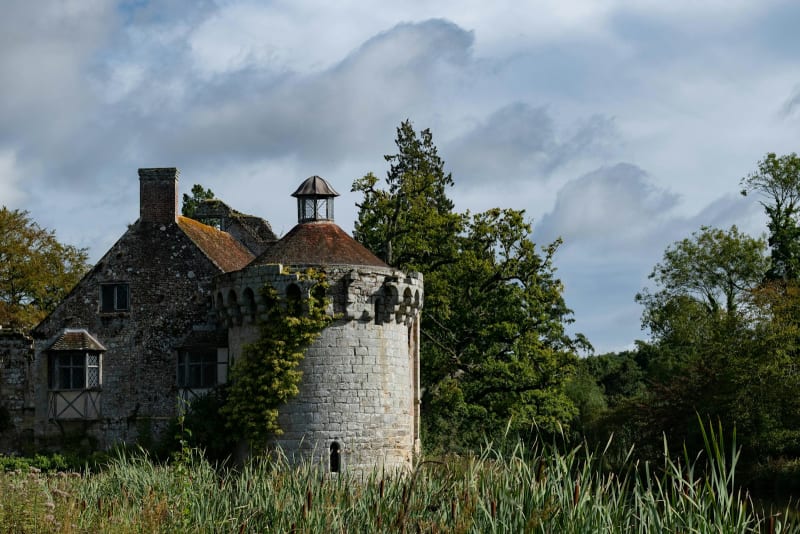
Scotney Castle
Located in the Weald of Kent, Scotney Castle is a National Trust site renowned for its romantic gardens. Visitors can explore a moated medieval ruin, a Victorian mansion, and attractions such as a heather-thatched ice house and boathouse. The estate also offers woodland walks spanning over 780 acres.
Tucked away in the wooded Weald of Kent near Tunbridge Wells, Scotney Castle is a National Trust site famous for being one of England's most romantic gardens. The center of the estate is a moated medieval ruin with sections dating back to the 1300s. In the 1830s, the owner Edward Hussey III built a new manor on the hill above, working with architect Anthony Salvin and designer William Sawrey Gilpin to intentionally turn the old castle into a picturesque centerpiece for the grounds.
The resulting gardens are stunning, especially when viewed from the Bastion, where the ruin is framed by trees and seasonal blossoms. Visitors can explore the quarry garden, the heather-thatched ice house, and the boathouse, or wander through the Victorian mansion, which remains much as it was for the family. To top it off, there are estate and woodland walks spanning over 780 acres.
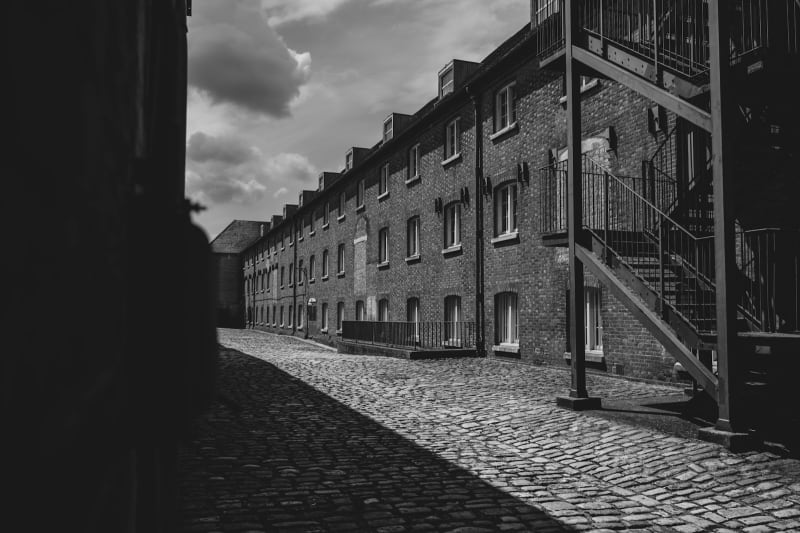
The Historic Dockyard Chatham
Located on Kent's River Medway, the Historic Dockyard Chatham is a maritime museum on the site of a former Royal Navy yard. Visitors can explore a WWII destroyer, a Cold War submarine, and a Victorian sloop. Key draws include a working Victorian Ropery and period streets frequently used as filming locations for movies and TV shows.
Spanning eighty acres on Kent's River Medway, the Historic Dockyard Chatham sits on the site of a Royal Navy yard that spent four centuries building and repairing warships. For generations, shipwrights worked here, launching legendary vessels including Nelson's flagship, HMS Victory. Following the yard's closure in 1984, its impressive collection of Georgian and Victorian buildings, workshops, and slips were saved to create a maritime museum detailing the history of British naval power.
Visitors can explore three historic ships: the Victorian sloop HMS Gannet, the WWII destroyer HMS Cavalier, and the Cold War submarine HMS Ocelot, which was the final vessel built at the site. A standout feature is the quarter-mile Victorian Ropery, which still produces rope using traditional techniques on one of the UK's last working ropewalks. With its galleries, RNLI lifeboat collection, children's playground, and period streets often seen in movies and TV shows, it makes for a fascinating day out.
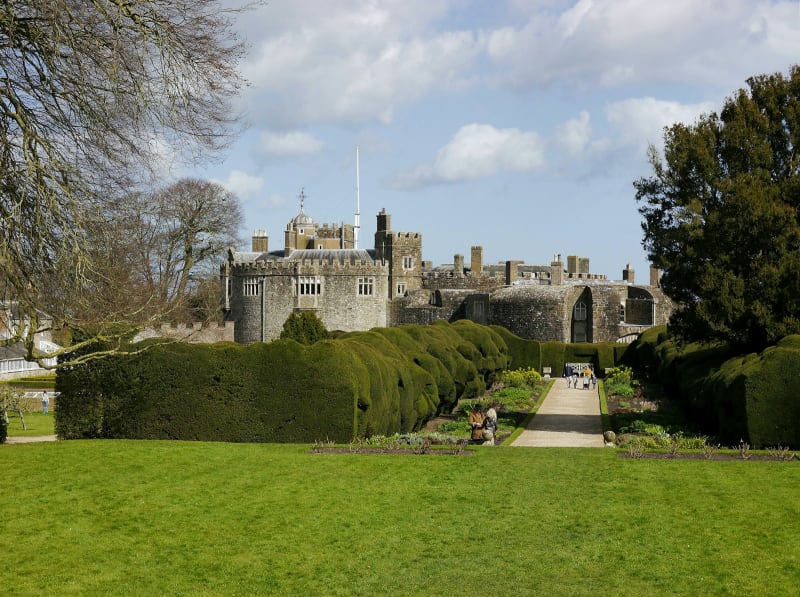
Walmer Castle
Walmer Castle is a coastal fortress near Deal in Kent. Originally built as an artillery fort, it evolved into a country home and remains the official residence of the Lord Warden of the Cinque Ports. Visitors can explore the Duke of Wellington’s former home and wander through eight acres of stunning gardens, woodland trails, and sculpted yew hedges.
Located on the Kent coast near Deal, Walmer Castle was part of a series of artillery forts built by Henry VIII around 1539 to protect England from invasion. While its low, rounded bastions were originally meant for heavy cannons, the fortress eventually evolved into a cozy country home. Since the 1700s, it has been the official residence of the Lord Warden of the Cinque Ports, a prestigious role held by many notable figures.
The castle is most famous for its connection to the Duke of Wellington, who lived here for over twenty years and passed away on the grounds in 1852; guests can still see the chair he died in and a pair of his iconic boots. Now managed by English Heritage, Walmer is surrounded by over eight acres of stunning gardens, featuring flowering borders, a walled kitchen garden, woodland trails, and sculpted yew hedges that make it a wonderful place to wander.
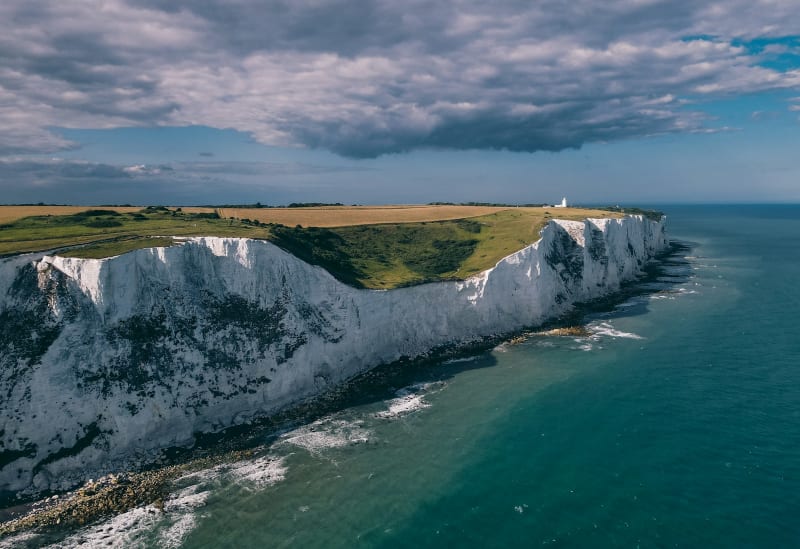
White Cliffs of Dover
The White Cliffs of Dover are iconic chalk walls overlooking the English Channel in England. Visitors come for clifftop walks with views of shipping lanes and the French coast. Key attractions include the South Foreland Lighthouse and the wartime tunnels of Fan Bay Deep Shelter, complemented by local wildlife and striking scenery.
The White Cliffs of Dover are some of England's most famous landmarks, where towering white chalk walls rise over the English Channel at the closest point to mainland Europe. For centuries, they have welcomed travelers arriving by sea and stood as a symbol of home and protection. Their legacy was cemented by wartime songs and their vital role in World War II, when the cliffs and port formed the front line facing occupied France.
Managed partly by the National Trust, the clifftops are perfect for brisk walks across grassy fields overlooking busy shipping lanes, where you can often spot ferries and the French coast on a clear day. A trail leads to the Victorian South Foreland Lighthouse, while hidden below are the tunnels of the Fan Bay Deep Shelter, a former wartime battery open for guided tours. Local wildflowers, butterflies, and seabirds only add to the beauty of this striking coastline.
Places in Kent
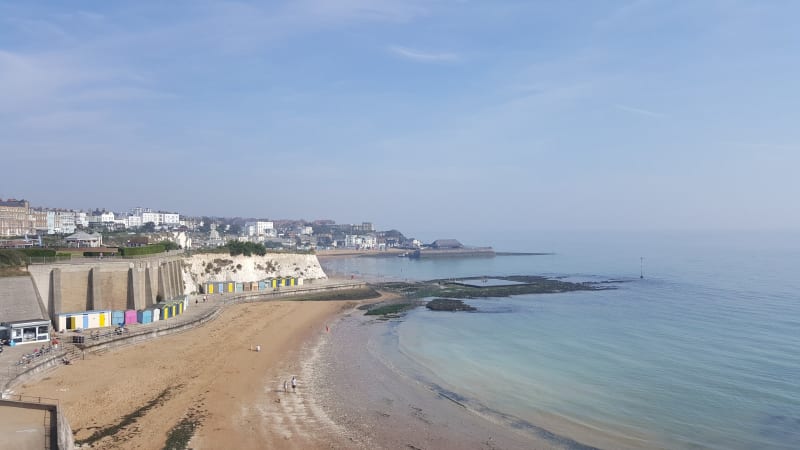
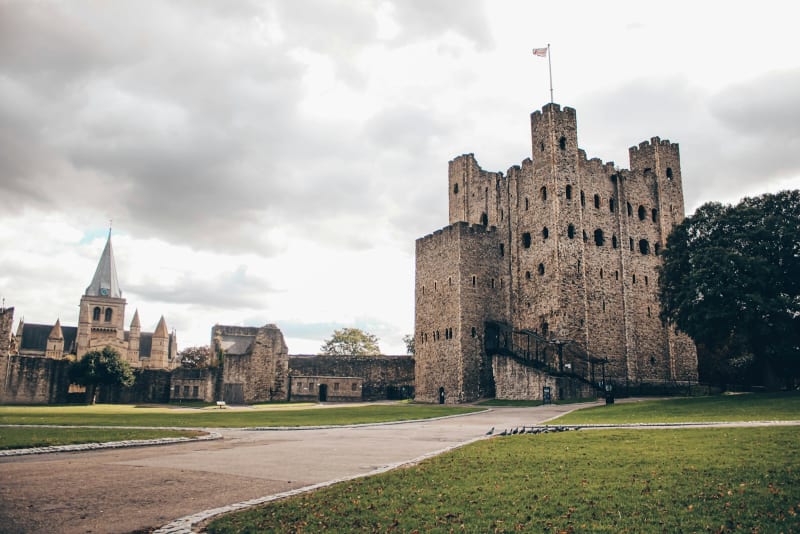
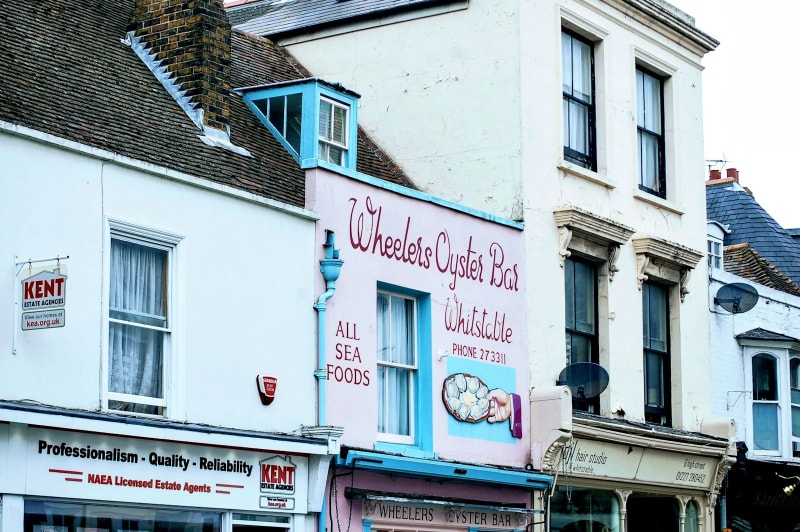
Kent coach holidays: FAQs
How much does a coach holiday to Kent cost?
Coach holidays visiting Kent start from £239 per person. That's the lowest price across the 14 coach tours with upcoming departures; each tour's own dates and prices are listed above.
How long are coach holidays to Kent?
Coach holidays visiting Kent last between 3 and 7 days, travel days included.
When do coach tours to Kent depart?
Upcoming departures run from November 2026 to September 2028.
Which coach holiday companies go to Kent?
Tours visiting Kent are run by Just Go Holidays and Shearings. You book directly with the operator.
Image Attribution
- Kent — (Photo by Vilmantas Bekesius on Unsplash )
- Canterbury — (Photo by Daniil Korbut on Unsplash )
- Folkestone — (Photo by Horus Drones on Unsplash )
- Herne Bay — (Photo by Nick Hawkes on Unsplash )
- Margate — (Photo by Rich Tervet on Unsplash )
- Rochester — (Photo by Ryan Storrier on Unsplash )
- Whitstable — (Photo by Amy Asher on Unsplash )
- Chartwell House — (Photo by Steve Payne on Unsplash )
- Dover Castle — (Photo by Ian Murphy on Unsplash )
- Hever Castle — (Photo by KT Likes Coffee on Unsplash )
- Kent & East Sussex Railway — (Photo by Alistair on Unsplash )
- Leeds Castle — (Photo by Colin Watts on Unsplash )
- Penshurst Place — (Photo by Mario La Pergola on Unsplash )
- Scotney Castle — (Photo by Sean Ferigan on Unsplash )
- The Historic Dockyard Chatham — (Photo by Jez Timms on Unsplash )
- Walmer Castle — (Photo by Steve Payne on Unsplash )
- White Cliffs of Dover — (Photo by Eamonn Wang on Unsplash )