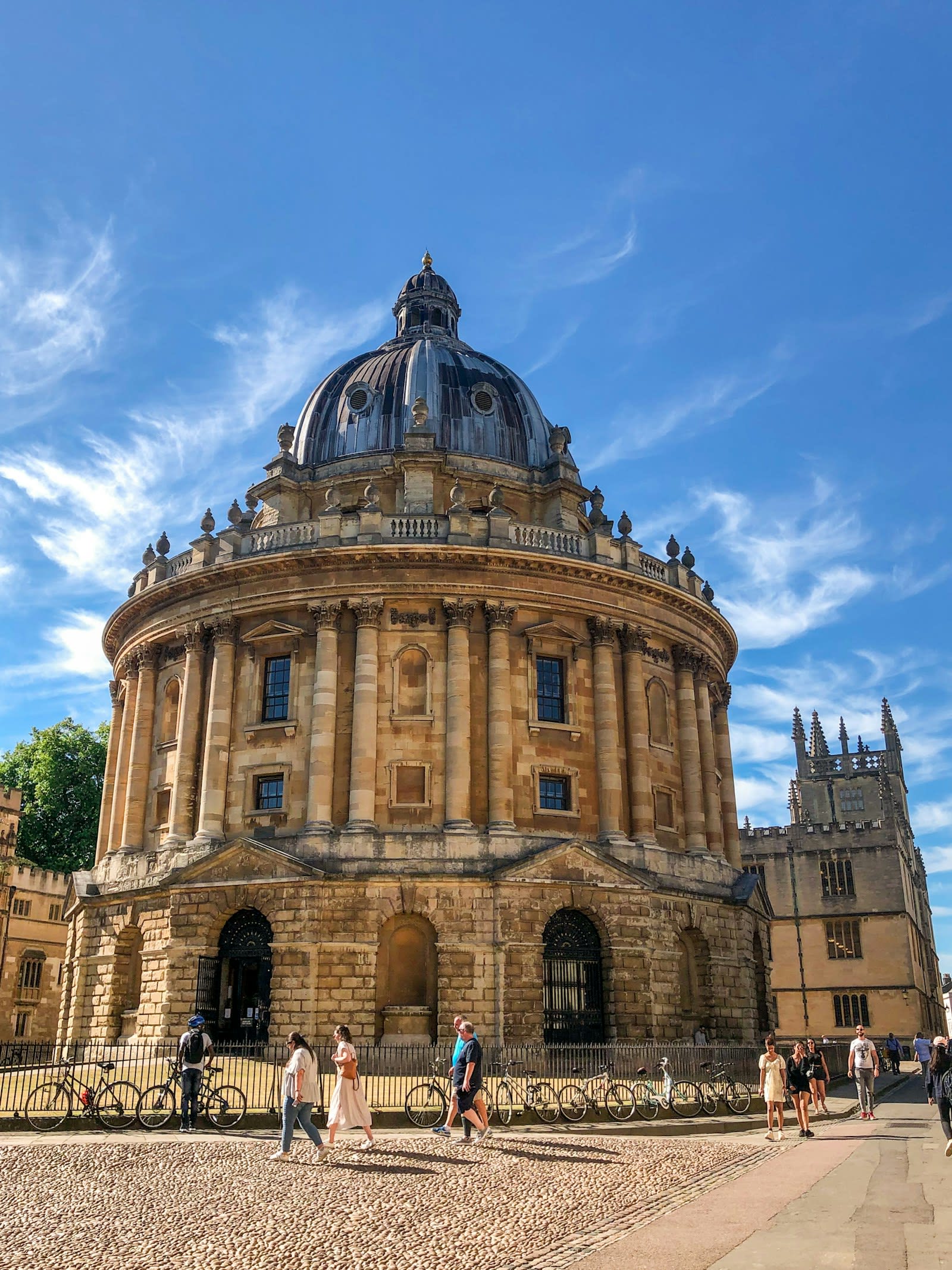
Oxfordshire
- Coach tours
- 4
- From
- £269
- Next departure
- 5 Feb 2027
- Duration
- 3–5 days
- Operator
- Shearings
4 tours visiting Oxfordshire
-
Put Your Paws Together for Paddington The Musical, Theatre Break in London
Operated by Shearings
- Day 3 · Oxford London After breakfast, we will transfer you to central London for another chance to explore this fascinating city. Why not indulge in some shopping on Oxford Street or visit another of this city’s attractions? We will begin…
- 3 days
- Leaves 5 Feb 2027
- 7 dates
from £349
View tour -
From Dukes to Royalty and Lucy Worsley at Hampton Court Palace
Operated by Shearings
Visiting › Windsor, Oxfordshire, London
- Day 3 · Blenheim Palace Blenheim Palace This morning we board our coach and head to Blenheim Palace. Grandeur on the largest of scales, Blenheim Palace was given to the 1st Duke of Marlborough by Queen Anne and her grateful nation as thanks for his stunning…
- 5 days
- Leaves 4 Apr 2027
- 1 date
from £1,099
View tour -
Postcard-Perfect England: Windsor and the Cotswolds
Operated by Shearings
Visiting › Moreton-in-Marsh, Stow-on-the-Wold, Bourton-on-the-Water, Windsor, Oxford
- Day 3 · Oxford Oxford Today we begin our journey home, stopping at historic Oxford on the way to give you some free time to explore another of England's charming cities. Known as the 'City of Dreaming Spires', Oxford is perfect for a stroll…
- 3 days
- Leaves 4 Jun 2027
- 3 dates
from £269
View tour -
Hats On! Royal Ascot, Windsor and Oxford
Operated by Shearings
- Day 3 · Oxford Oxford We depart London this morning, enjoying an en route visit to historic Oxford. Home of the prestigious University of Oxford and celebrated as the "City of Dreaming Spires, Oxford combines stunning architecture and…
- 3 days
- Leaves 16 Jun 2027
- 2 dates
from £369
View tour
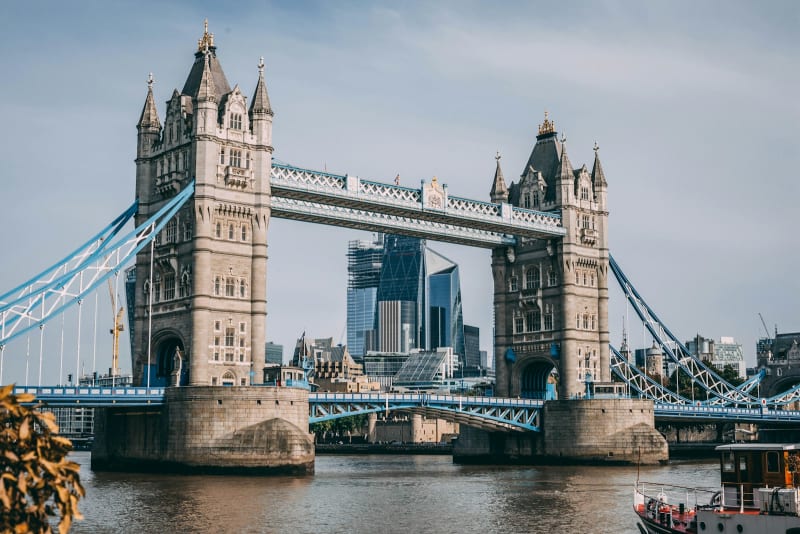
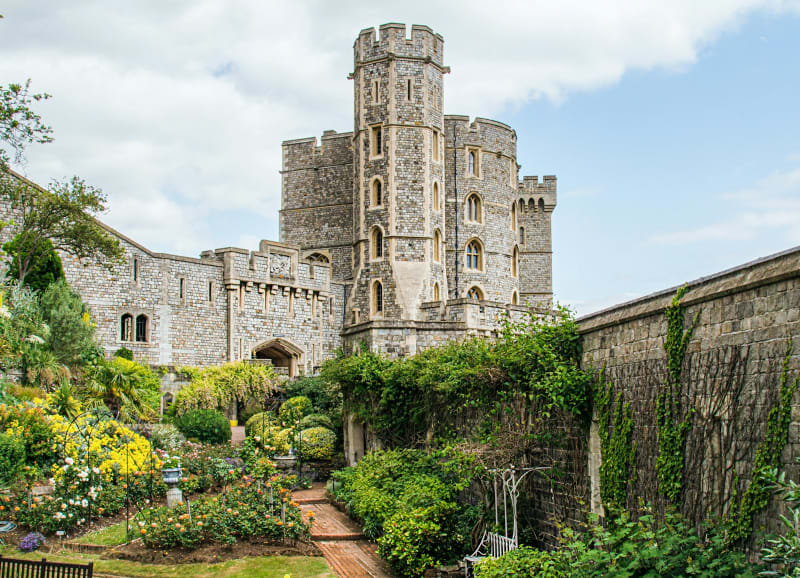
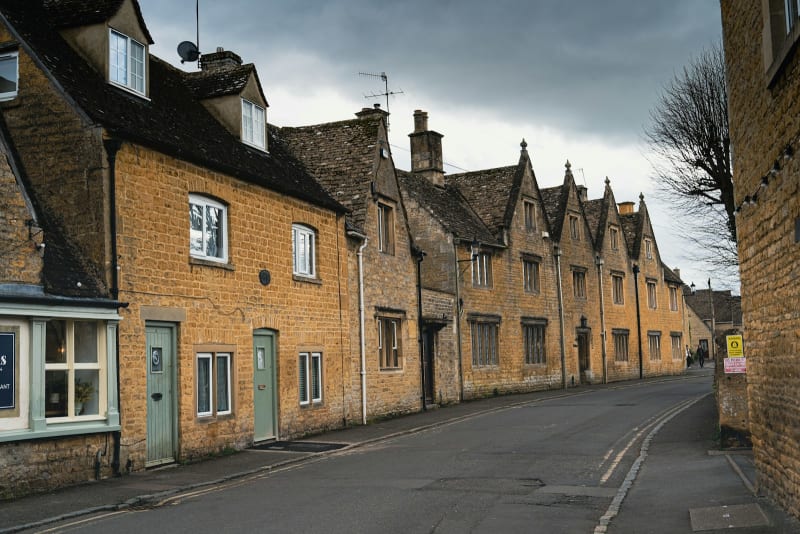
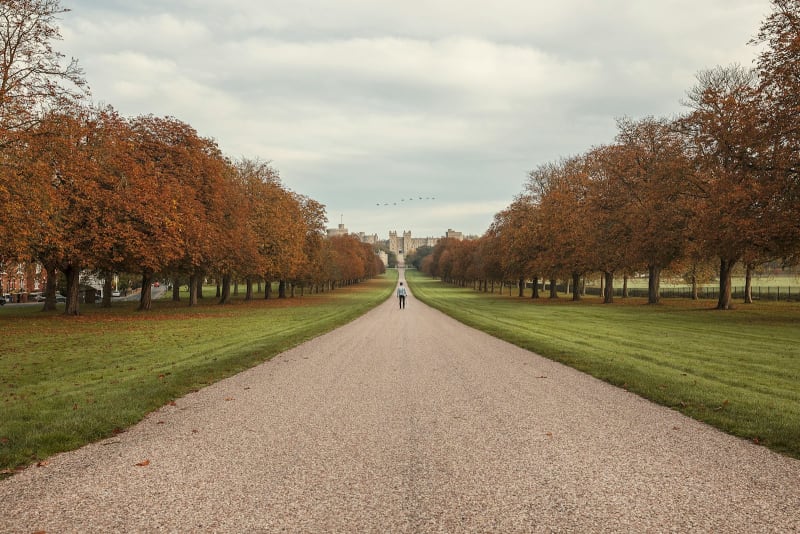
Image Attribution
- London — (Photo by Charles Postiaux on Unsplash )
- Windsor Castle — (Photo by E Mens on Unsplash )
- Stow-on-the-Wold — (Photo by BEN ELLIOTT on Unsplash )
- Windsor — (Photo by Joshua Earle on Unsplash )
When to go
Coach tours visiting Oxfordshire, by departure month.
- Sept 2026 No tours
- Oct 2026 No tours
- Nov 2026 No tours
- Dec 2026 No tours
- Jan 2027 No tours
- Feb 2027 1 tour from £349
- Mar 2027 1 tour from £349
- Apr 2027 1 tour from £1,099
- May 2027 1 tour from £349
- Jun 2027 2 tours from £269
- Jul 2027 2 tours from £269
Places of Interest
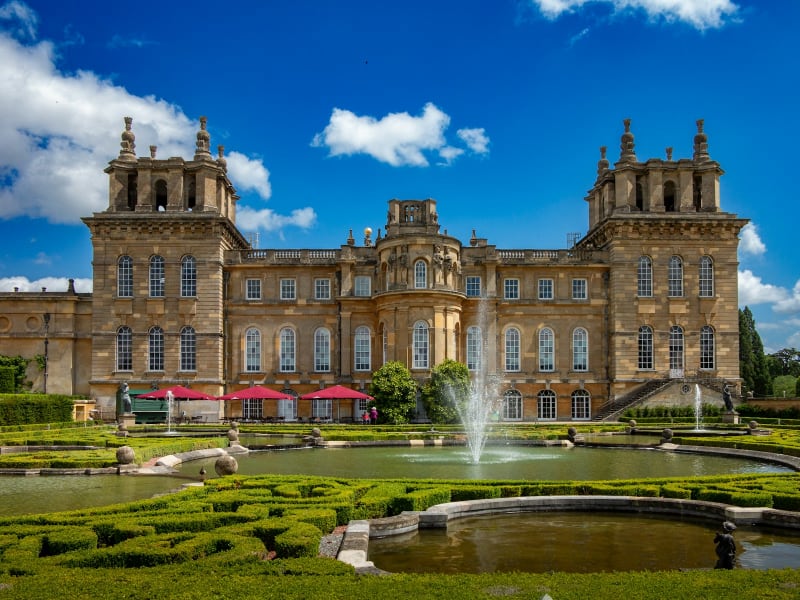
Blenheim Palace
Blenheim Palace is a stately home in the Oxfordshire countryside. A UNESCO World Heritage Site and the birthplace of Winston Churchill, it features lavish Baroque state rooms and art. Visitors can explore the extensive estate designed by Capability Brown, which includes lakes, gardens, a rose garden, a maze and a miniature railway.
Located in the Oxfordshire countryside near Woodstock, Blenheim Palace is one of England's most impressive stately homes and the only non-royal residence to actually be called a palace. It was built in the early 1700s as a gift to John Churchill, the 1st Duke of Marlborough, after his win at the Battle of Blenheim in 1704. Designed by Sir John Vanbrugh in a lavish English Baroque style, the palace is now a UNESCO World Heritage Site and is famous as the birthplace of Winston Churchill.
Inside, grand state rooms are filled with stunning tapestries and art, and there is a dedicated exhibition on Churchill's life. The surrounding estate, landscaped by Capability Brown, features over two thousand acres of lakes and gardens, including a beautiful rose garden and water terrace. With a miniature railway and a maze, it's the perfect spot for a full day trip.
Stonor Park
Stonor Park is a historic family residence in the Chiltern Hills north of Henley-on-Thames. Visitors can explore a house featuring secret chambers and religious artifacts, alongside a deer park, gardens and an ancient stone circle. The site is a landmark of English Catholic history, once serving as a sanctuary for those fleeing persecution.
Tucked away in a fold of the Chiltern Hills just north of Henley-on-Thames, Stonor Park has been home to the Stonor family for over 850 years, making it one of the longest-running family residences in England. The house is a graceful mix of medieval, Tudor, and Georgian styles, with its warm brick exterior hiding much older foundations and a private chapel that has remained Catholic for centuries.
Stonor is a landmark of English Catholic history, having served as a sanctuary during the persecutions of Elizabeth I. In 1581, the Jesuit martyr Edmund Campion hid here, secretly printing his famous "Ten Reasons" pamphlet in the attic before he was caught and executed. Today, visitors can wander through rooms filled with family portraits and religious artifacts, discover the house's secret chambers, and explore the deer park, gardens, and an ancient stone circle nestled in the woods.
Places in Oxfordshire
Oxfordshire coach holidays: FAQs
How much does a coach holiday to Oxfordshire cost?
Coach holidays visiting Oxfordshire start from £269 per person. That's the lowest price across the 4 coach tours with upcoming departures; each tour's own dates and prices are listed above.
How long are coach holidays to Oxfordshire?
Coach holidays visiting Oxfordshire last between 3 and 5 days, travel days included.
When do coach tours to Oxfordshire depart?
Upcoming departures run from February 2027 to November 2027.
Which coach holiday companies go to Oxfordshire?
Tours visiting Oxfordshire are run by Shearings. You book directly with the operator.
Image Attribution
- Oxfordshire — (Photo by Olivia Pedler on Unsplash )
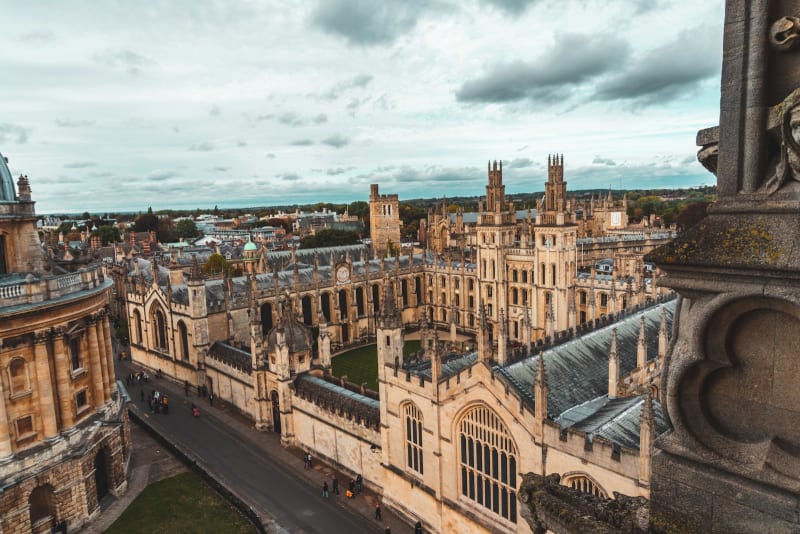
- Oxford — (Photo by Nils Lindner on Unsplash )
- Blenheim Palace — (Photo by Einar H. Reynis on Unsplash )