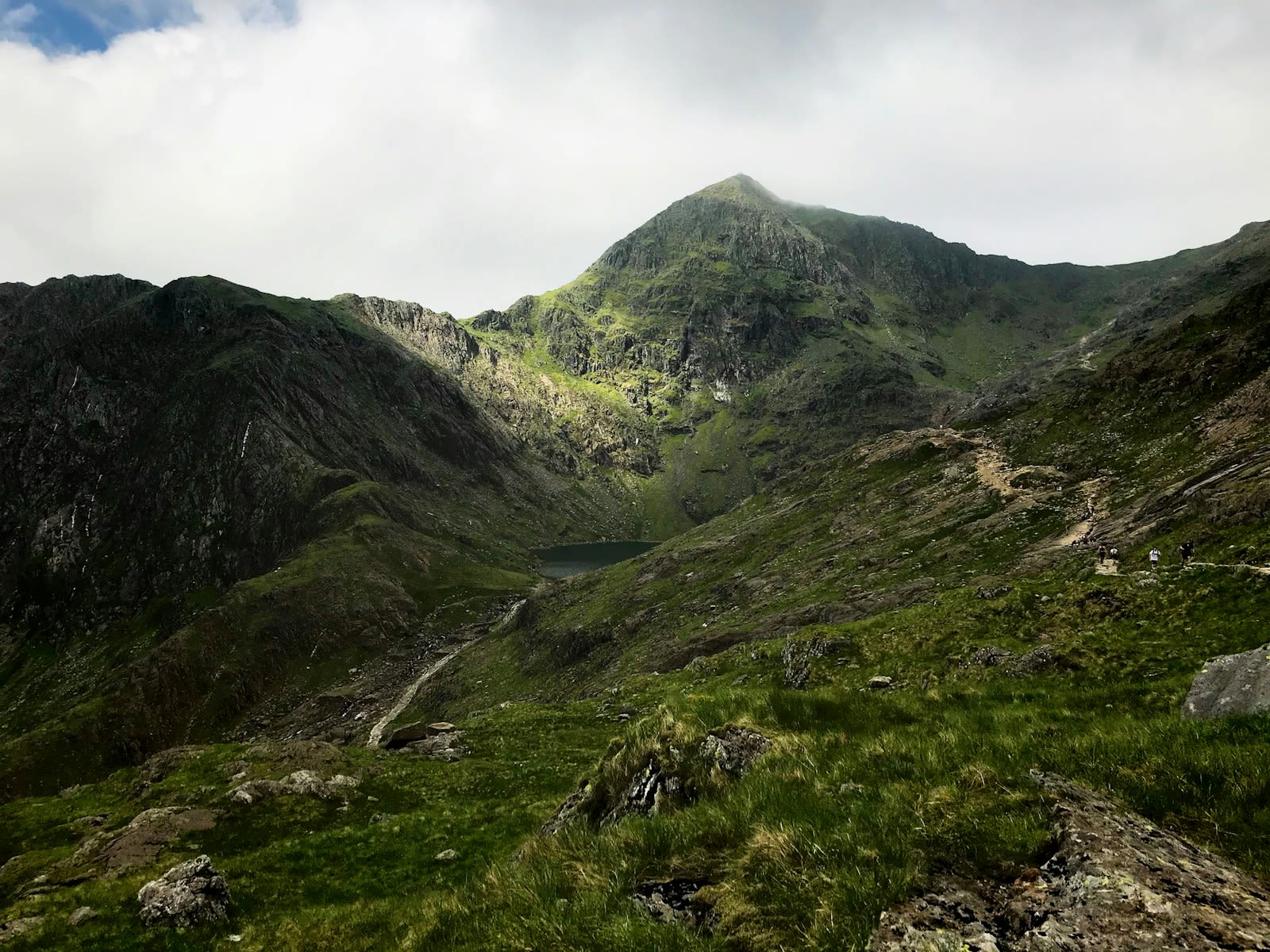
Gwynedd
Places in Gwynedd
Places of Interest
Bala Lake Railway
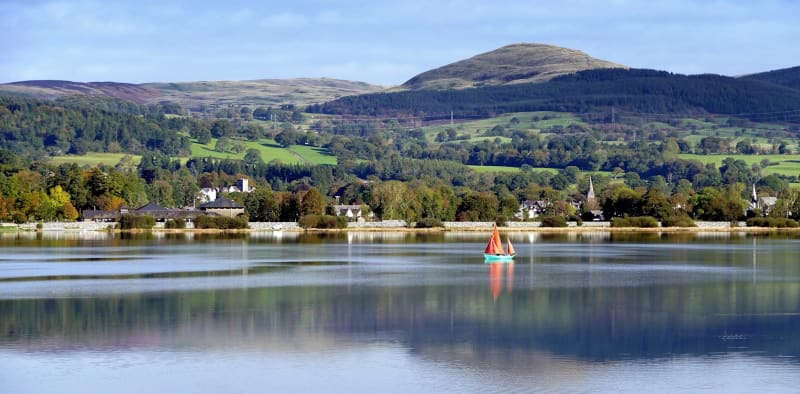
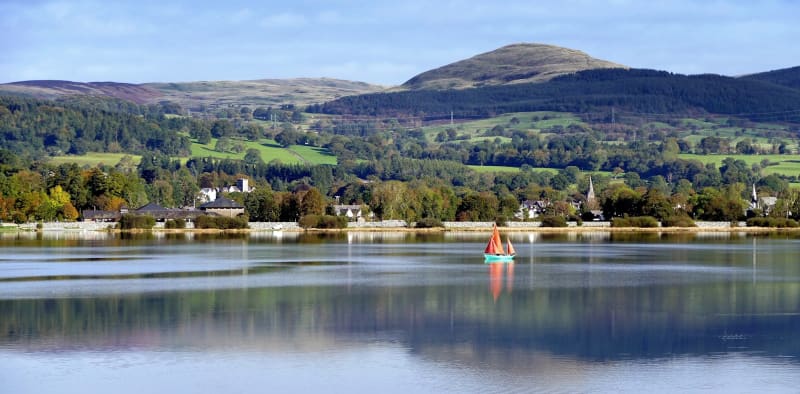
The Bala Lake Railway is a narrow-gauge line running along Llyn Tegid in Snowdonia. Operating from Llanuwchllyn, the railway uses quirky steam engines to offer a relaxed round trip with views of the water and the Aran and Arenig mountains. Visitors can enjoy the restored station, original signal box, and a scenic journey suitable for all ages.
The Bala Lake Railway is a lovely narrow-gauge line that winds along the eastern shore of Llyn Tegid, the largest natural lake in Wales, set against the backdrop of Snowdonia. It uses part of an old Great Western branch line that connected Ruabon and Barmouth before closing in the 60s. In 1972, local volunteers brought the lakeside section back to life as a two-foot-gauge railway operating out of the village of Llanuwchllyn.
The relaxed round trip offers beautiful views across the water toward the Aran and Arenig mountains. The trains are typically pulled by quirky steam engines, including former slate-quarry locos from Dinorwic, and the line is home to the famous engine Alice. With its restored station and original signal box, Llanuwchllyn is a real gem, making the slow journey a scenic treat for visitors of all ages.
Ffestiniog Railway
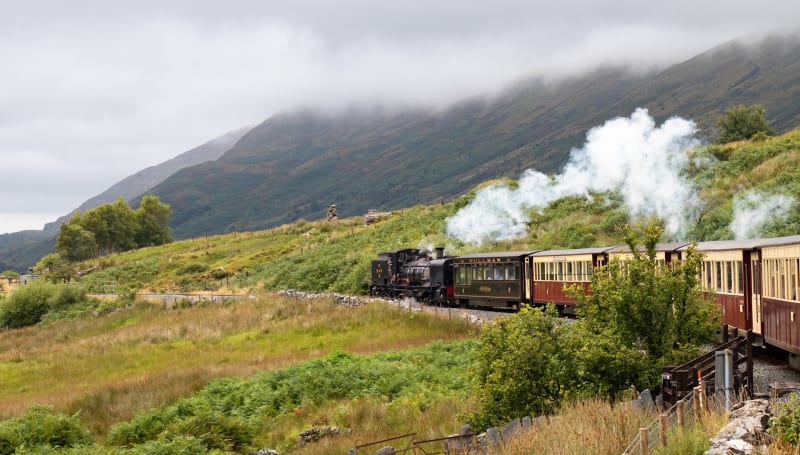
The Ffestiniog Railway is the world's oldest narrow-gauge railway, running from Porthmadog to Blaenau Ffestiniog in the Snowdonia mountains. Visitors can ride steam locomotives and restored Victorian carriages through a World Heritage slate landscape, enjoying stunning views of lakes, woods, and the estuary as they climb from sea level into the heart of the national park.
As the oldest narrow-gauge railway on earth, the Ffestiniog Railway winds about thirteen and a half miles through the Snowdonia mountains, connecting the harbor town of Porthmadog with the slate quarries of Blaenau Ffestiniog. Authorized by Parliament in 1832 and built shortly after, it was originally designed to transport slate from the hills down to the coast for export. While it first relied on horses and gravity, steam locomotives were introduced in the 1860s, and it has been carrying passengers ever since.
Nowadays, the trains—including the unique double-ended Fairlie engines—climb from sea level into the heart of the national park, skirting hillsides and cutting through woods with stunning views of the estuary, lakes, and mountains. Restored Victorian carriages and pristine stations bring the railway's long history to life. The line connects with the Welsh Highland Railway at Porthmadog, and the surrounding slate landscape is now a recognized World Heritage Site.
Llanberis Lake Railway
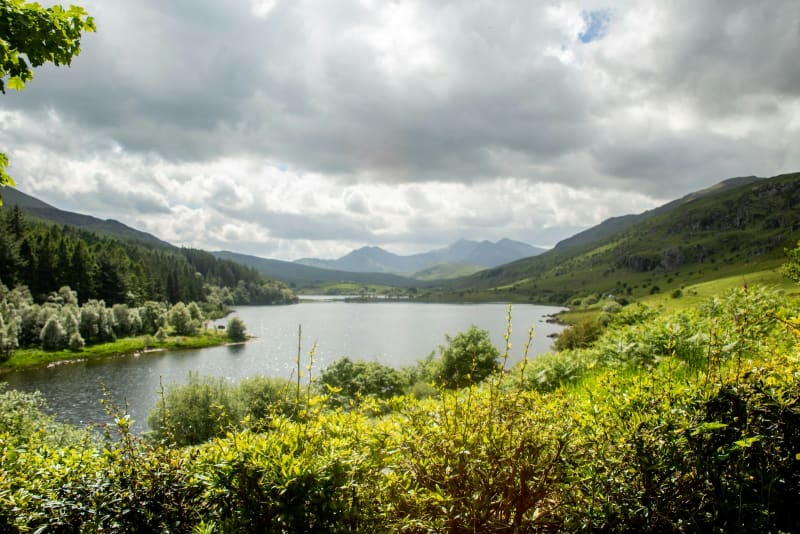
The Llanberis Lake Railway is a heritage steam line along the shore of Llyn Padarn in Wales. Passengers enjoy vintage engines, mountain views and vistas of Dolbadarn Castle. The attraction is situated near the National Slate Museum and the ruins of the Dinorwic Quarry, offering a glimpse into the region's World Heritage slate industry.
The Llanberis Lake Railway takes passengers along the northern shore of Llyn Padarn, running through Padarn Country Park right under the shadow of Snowdon. The line follows part of the old Padarn Railway trackbed, which spent over a century hauling slate from the massive Dinorwic Quarry down to the coast. After the quarry closed, a few of the steam engines were saved, leading to the opening of this heritage railway in 1971.
The short two-and-a-half-mile trip is powered by these vintage engines, providing great views of the mountains and the ruins of Dolbadarn Castle. The area is rich with the history of the Welsh slate industry—now a World Heritage site—and the nearby National Slate Museum makes it a perfect addition to the trip. With lakeside picnic spots and easy walks, it's an ideal place for a relaxing day out.
Portmeirion
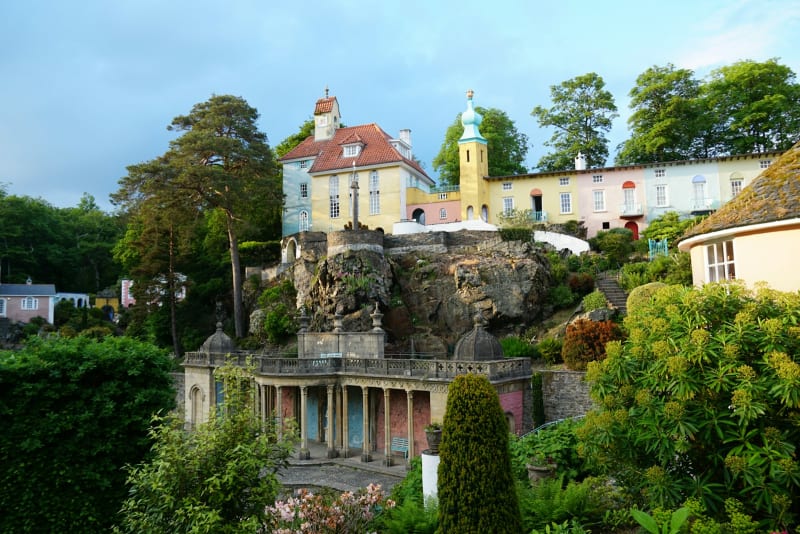
Portmeirion is an Italianate village on a private peninsula in Gwynedd. This surreal destination features pastel cottages and salvaged architectural pieces centered around a piazza and subtropical gardens. Visitors can explore the pottery shops or stay overnight in the hotel. It is also a cult favorite for fans of the 1960s television show The Prisoner.
Portmeirion is a complete surprise on the wooded coast of Gwynedd, an Italianate village perched on a private peninsula overlooking the Dwyryd estuary near Porthmadog. It was the lifelong passion of architect Sir Clough Williams-Ellis, who built it in stages from 1925 to 1975 to prove that you could develop a beautiful spot without ruining it. He called the village a "home for fallen buildings," blending whimsical designs with salvaged architectural pieces rescued from demolished houses across Britain.
The end result is a vibrant, surreal cluster of pastel cottages, arches, and a campanile centered around a piazza, all nestled within subtropical gardens called the Gwyllt. Portmeirion became a cult favorite as the strange setting for the 1960s show The Prisoner, and fans still visit today. Guests can stroll through the village and gardens, browse the pottery shops, grab a coffee, or spend the night in the hotel and cottages.
Snowdon Mountain Railway
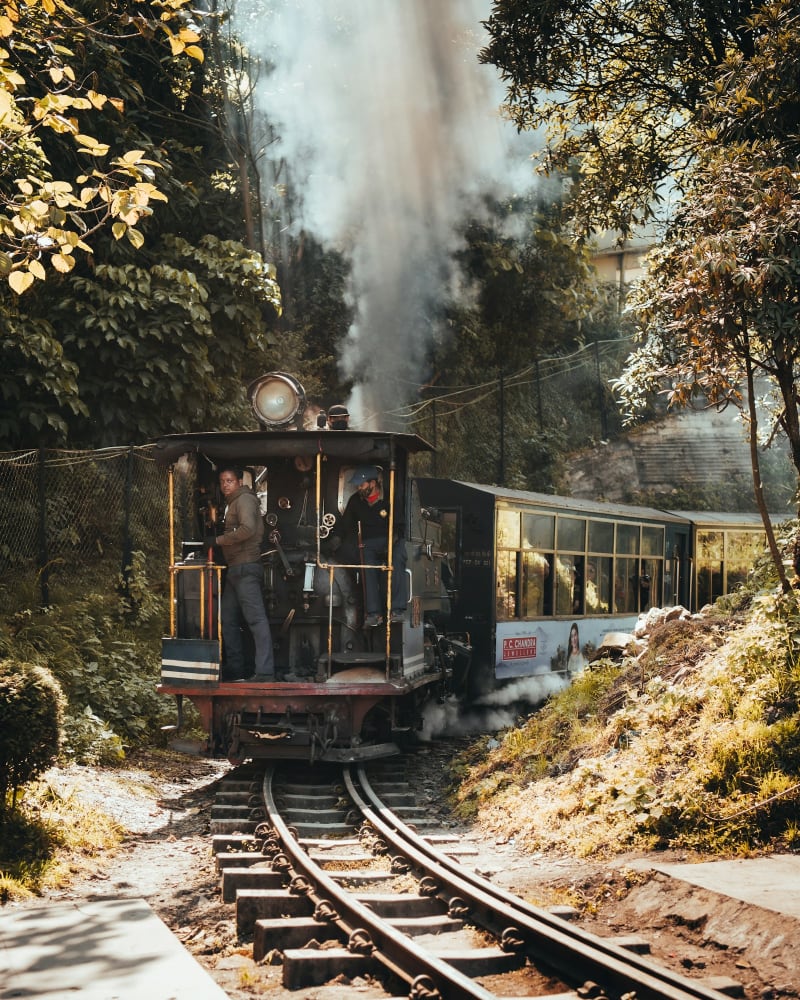
The Snowdon Mountain Railway is Britain's only public rack-and-pinion railway, running from Llanberis to the summit of Yr Wyddfa, Wales' highest mountain. Using steam or diesel locomotives, passengers travel through stunning landscapes of waterfalls and rocky slopes. On clear days, views from the peak reach as far as Ireland, with a visitor centre located at the top.
The Snowdon Mountain Railway is the only public rack-and-pinion railway in Britain, taking passengers from the village of Llanberis in Eryri (Snowdonia) all the way to the top of Yr Wyddfa, the highest mountain in Wales at 1,085 metres. Since opening in 1896 using the Swiss Abt system, it has carried millions of visitors up the slopes, with small locomotives tackling steep gradients that standard trains simply couldn't handle.
The trip winds through stunning landscapes, passing rocky slopes and waterfalls with views that reach as far as Ireland on a clear day. At the peak, the Hafod Eryri visitor centre gives passengers a place to take in the scenery and, if the weather holds, walk to the actual summit cairn. Whether you travel by classic steam or modern diesel, it's an exciting and easy way to experience one of Britain's most famous peaks.
Image Attribution
- Gwynedd — (Photo by Craig Davis on Unsplash )
- Anglesey — (Photo by Bradley Pritchard Jones on Unsplash )
- Betws-y-Coed — (Photo by Anthony on Unsplash )
- Caernarfon — (Photo by Callum Parker on Unsplash )
- Conwy — (Photo by Anthony on Unsplash )
- Bala Lake Railway — (Photo by Anthony on Unsplash )
- Ffestiniog Railway — (Photo by Robert P on Unsplash )
- Llanberis Lake Railway — (Photo by Daniel Sturley on Unsplash )
- Portmeirion — (Photo by Sheila C on Unsplash )
- Snowdon Mountain Railway — (Photo by kabita Darlami on Unsplash )