Lynton
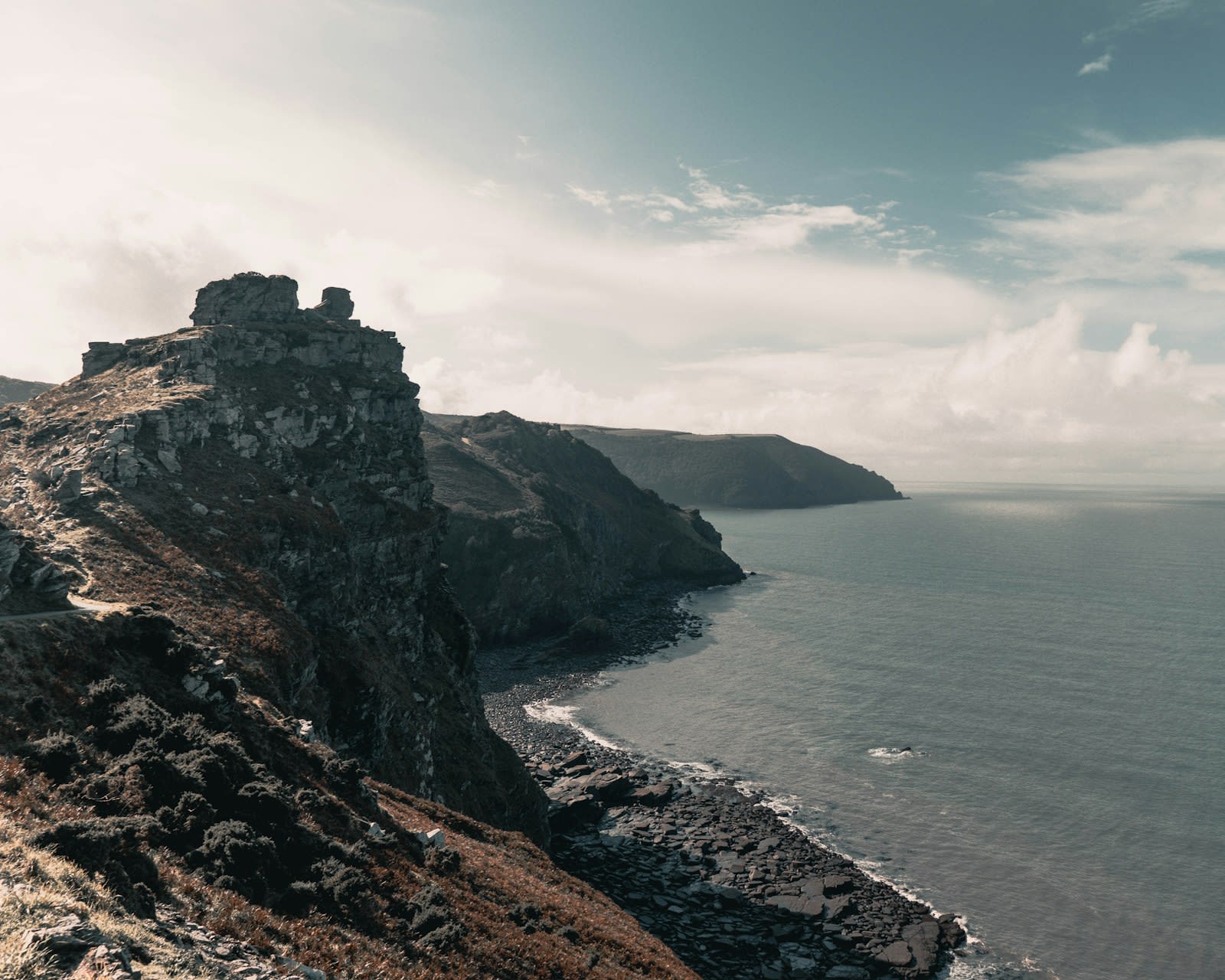
Lynton is a Victorian village perched on the Exmoor cliffs in North Devon. Known as Little Switzerland for its dramatic scenery, it features a water-powered cliff railway connecting to the harbour at Lynmouth. Visitors can explore the Valley of the Rocks alongside wild goats or use the village as a scenic base for exploring England's smallest coast.
- Coach tours
- 2
- From
- £559
- Next departure
- 31 May 2027
- Duration
- 5 days
- Operator
- Shearings
Leave the steep North Devon hills to us and simply soak up the views on a coach holiday to Lynton, a charming Victorian village perched high on the Exmoor cliffs. Connected to its twin town, Lynmouth, by a fascinating water-powered cliff railway, Lynton is filled with such dramatic scenery that it’s often called 'Little Switzerland'.
You can wander through the spectacular Valley of the Rocks alongside the wild goats, ride the historic railway down to the harbour, and breathe in the fresh Exmoor air. It's the perfect scenic base for exploring England's smallest coast. Take a look at our coach holidays to Lynton and let us handle the driving for you.
2 tours visiting Lynton
-
North Devon, Clovelly and RHS Rosemoor
Operated by Shearings
Visiting › Barnstaple, Devon, Bideford, Lynton, Lynmouth +1 more
- Day 3 · Lynton Lynton and Lynmouth This morning, we will visit Lynton and Lynmouth and then enjoy an afternoon at leisure. These picturesque twin towns are located on the rugged Exmoor coastline, with bustling Lynmouth on the shore and clifftop Lynton…
- 5 days
- Leaves 31 May 2027
- 4 dates
from £639
View tour -
Ilfracombe and North Devon
Operated by Shearings
Visiting › Ilfracombe, Bideford, Devon, Lynton, Lynmouth
- Day 3 · Lynton (optional) Day at leisure or Lynton and Lynmouth Relax in Ilfracombe today or why not join our optional excursion to Lynton and Lynmouth. These two pretty villages are situated within Exmoor National Park, just along the coast from the Valley of Rocks formations and…
- 5 days
- Leaves 5 Jul 2027
- 8 dates
from £559
View tour
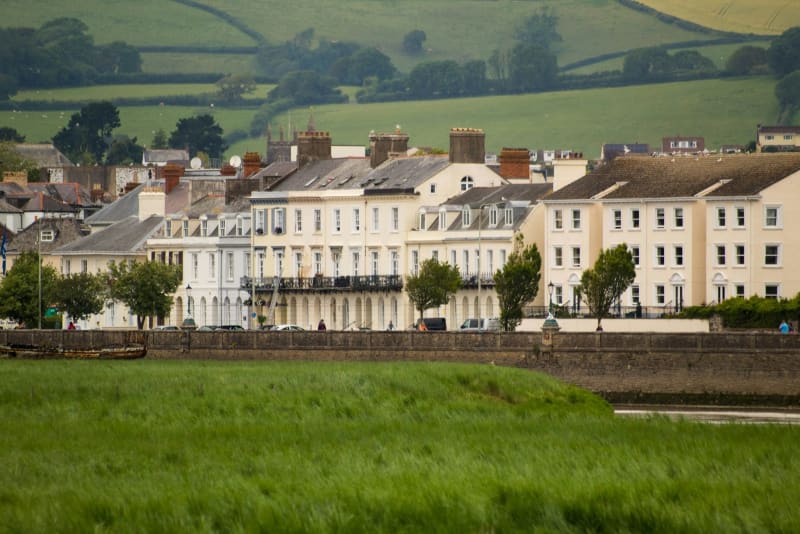
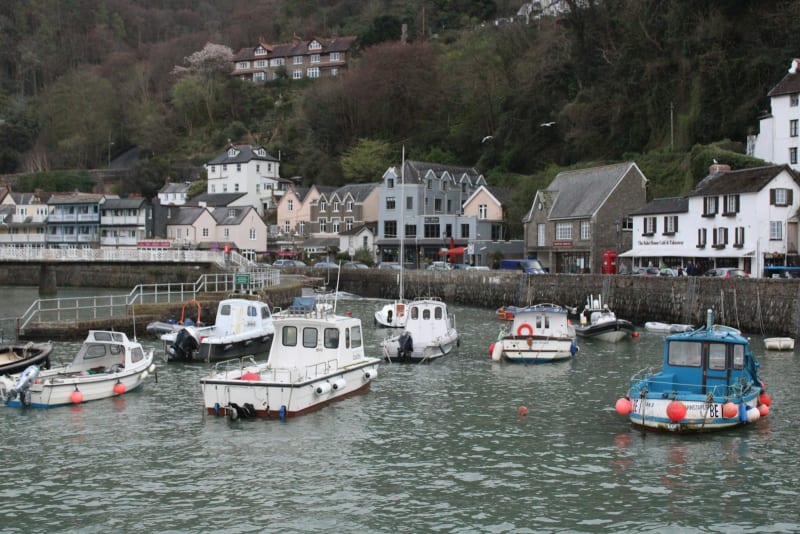
Image Attribution
- Barnstaple — (Photo by Richard Surman on Unsplash )
- Ilfracombe — (Photo by balesstudio on Unsplash )
When to go
Coach tours visiting Lynton, by departure month.
- Sept 2026 No tours
- Oct 2026 No tours
- Nov 2026 No tours
- Dec 2026 No tours
- Jan 2027 No tours
- Feb 2027 No tours
- Mar 2027 No tours
- Apr 2027 No tours
- May 2027 1 tour from £639
- Jun 2027 1 tour from £639
- Jul 2027 2 tours from £559
- Aug 2027 1 tour from £579
Places of Interest
Lynton & Barnstaple Railway
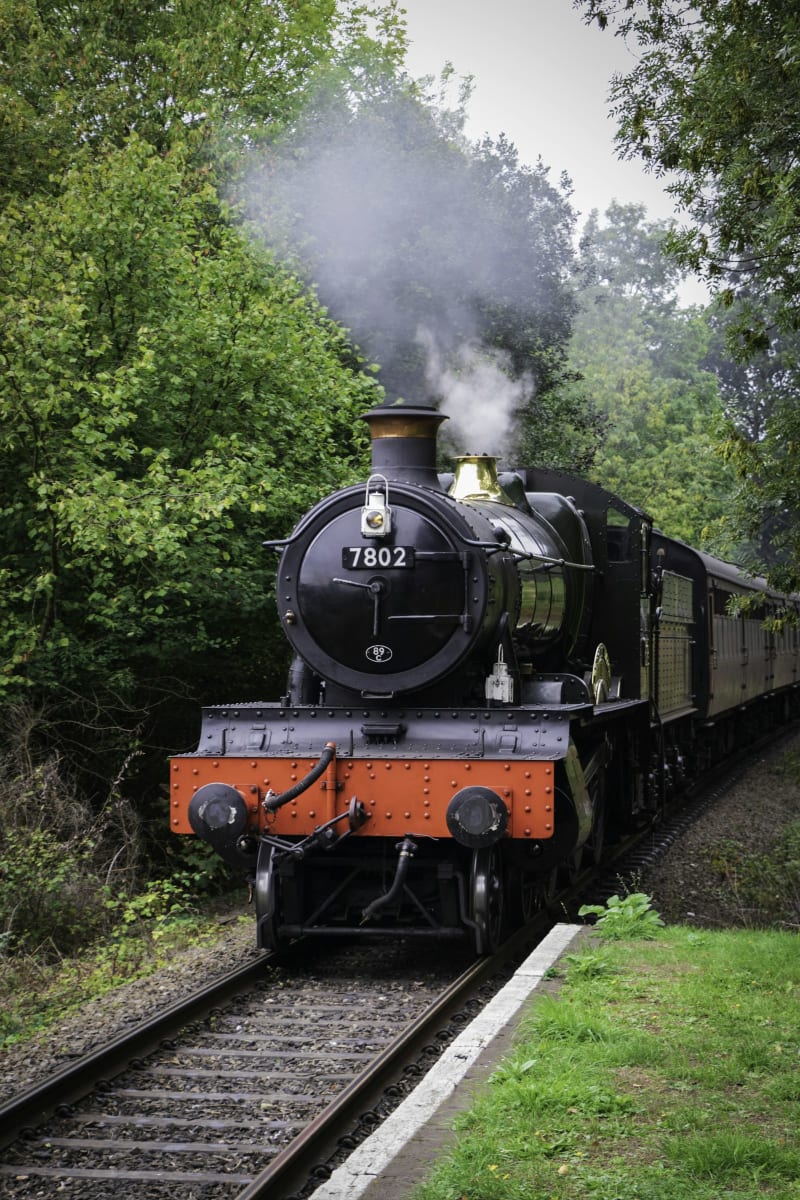
The Lynton and Barnstaple Railway is a narrow gauge line in North Devon. Visitors can ride a steam train from the restored Woody Bay station, one of England's highest, for a scenic trip through Exmoor National Park. The station also offers a cafe, a shop, and exhibits on the railway's history and ongoing restoration.
The Lynton and Barnstaple Railway was a beloved narrow gauge line that opened in 1898, winding for about nineteen miles through the wild landscape of North Devon's Exmoor before closing controversially in 1935. After lying dormant for decades, a dedicated preservation society bought Woody Bay station in 1995 and worked tirelessly to revive the line, eventually running their first train in 2004.
Nowadays, visitors can catch a steam train from the beautifully restored Woody Bay station—one of the highest in England—for a scenic twenty-five minute round trip to Killington Lane through Exmoor National Park. The station features exhibits on the railway's past and current restoration, as well as a shop and cafe. It is a passion project with bold plans to rebuild more of the original route, offering a lovely glimpse into a vanished era of rail.
Lynton & Lynmouth Cliff Railway
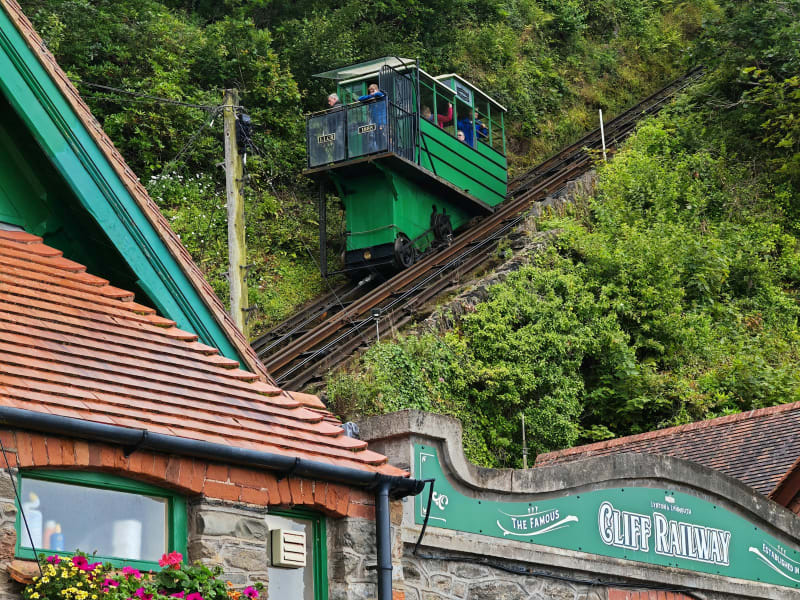
Connecting the clifftop town of Lynton with the harbor village of Lynmouth on Devon's Exmoor coast, this Victorian funicular is the steepest water-powered railway in existence. Visitors can enjoy a smooth ride using a sustainable water-tank system, offering stunning views of the harbor, the Bristol Channel, and the surrounding countryside.
The Lynton and Lynmouth Cliff Railway is an impressive piece of Victorian engineering that connects the clifftop town of Lynton with the harbor village of Lynmouth on Devon's rugged Exmoor coast. Before the railway arrived, the only way to navigate the steep, wooded cliff between the two spots was by packhorse or donkey. Designed by George Croydon Marks and funded by Sir George Newnes, the funicular opened on Easter Monday in 1890 and has been running almost continuously ever since.
The real magic is in its water-powered system: two connected cars balance each other out, using water tanks to drive the movement. This makes it one of the greenest railways on earth and the steepest water-powered one in existence. The smooth ride offers stunning views of the harbor, the Bristol Channel, and the Exmoor countryside, making it a favorite highlight for anyone visiting the area.
Lynton coach holidays: FAQs
How much does a coach holiday to Lynton cost?
Coach holidays visiting Lynton start from £559 per person. That's the lowest price across the 2 coach tours with upcoming departures; each tour's own dates and prices are listed above.
How long are coach holidays to Lynton?
The coach holidays visiting Lynton last 5 days, travel days included.
When do coach tours to Lynton depart?
Upcoming departures run from May 2027 to September 2028. July 2027 has the most choice, with 2 tours departing.
Which coach holiday companies go to Lynton?
Tours visiting Lynton are run by Shearings. You book directly with the operator.
Coach tours nearby
Image Attribution
- Lynton — (Photo by Richard Brannen on Unsplash )
- Lynmouth — (Photo by John-Mark Strange on Unsplash )
- Ilfracombe — (Photo by balesstudio on Unsplash )
- Barnstaple — (Photo by Richard Surman on Unsplash )
- Bideford — (Photo by Pete Willis on Unsplash )
- Lynton & Barnstaple Railway — (Photo by Alistair on Unsplash )
- Lynton & Lynmouth Cliff Railway — (Photo by Sean P on Unsplash )