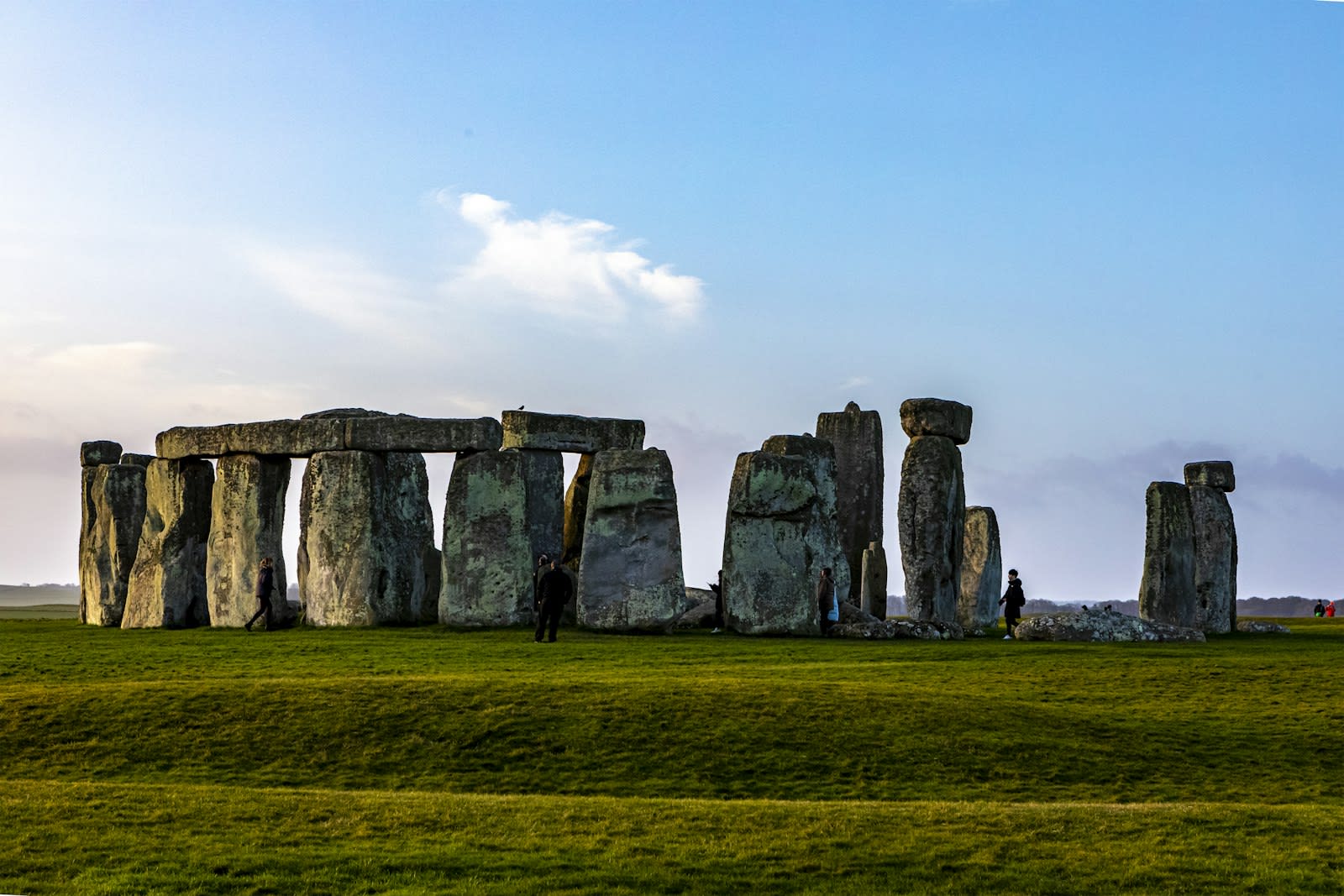
Wiltshire
- Coach tours
- 2
- From
- £259
- Next departure
- 13 May 2027
- Duration
- 3–5 days
- Operator
- Shearings
2 tours visiting Wiltshire
-
Heritage Railways of the Cotswolds and Avon Valley
Operated by Shearings
Visiting › Bristol, Wiltshire, Warwickshire, Broadway, Birmingham
- Day 2 · Museum of the Great Western Railway Brunel's SS Great Britain and Museum of the Great Western Railway After a leisurely breakfast, we travel by coach to Bristol for a visit to Brunel's SS Great Britain. This magnificent steamship was the biggest passenger ship in the world when she came into service. We have time to…
- 5 days
- Leaves 13 May 2027
- 2 dates
from £699
View tour -
The Wild Side of Somerset: Longleat Safari Park and Jungle Cruise
Operated by Shearings
- Day 2 · Longleat Longleat Safari Park and Jungle Cruise We make our way to Longleat Safari Park today. Enjoy the included safari drive to view the larger animals, including lions, elephants, tigers and white rhinos. Then, enjoy time in the main park where you can view…
- 3 days
- Leaves 14 May 2027
- 5 dates
from £259
View tour
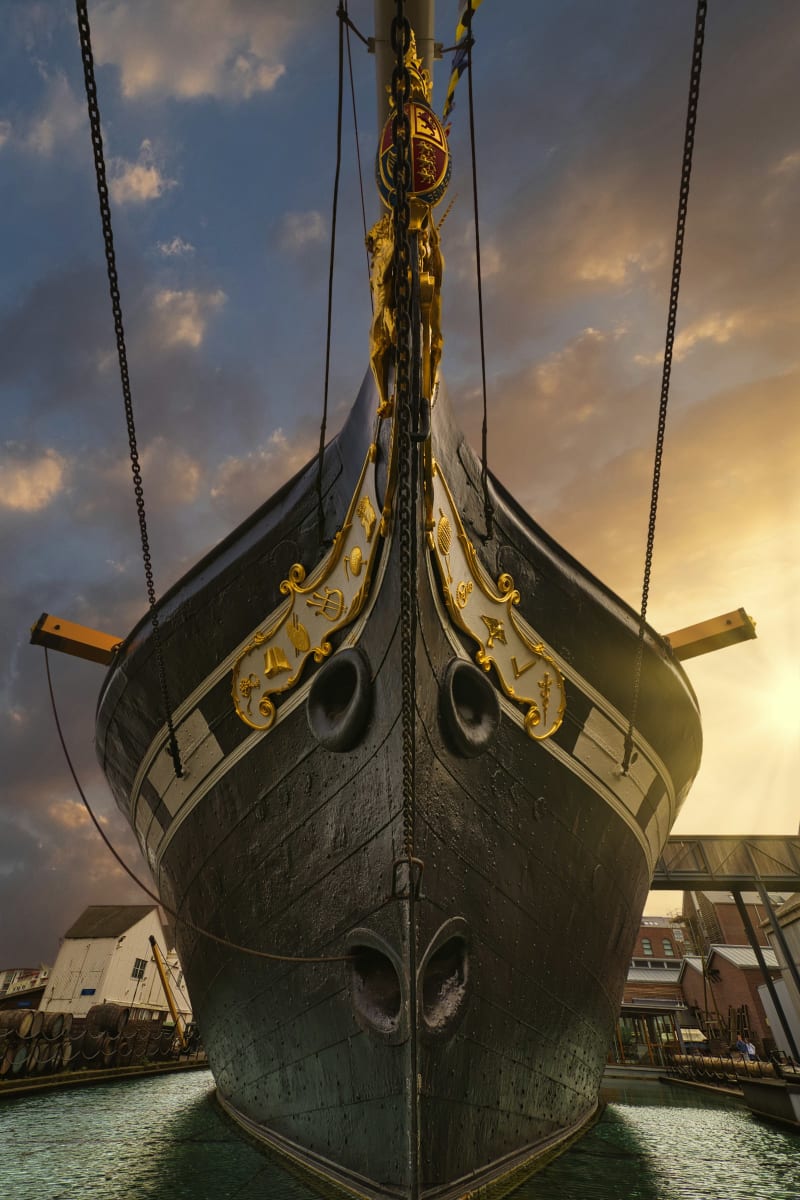
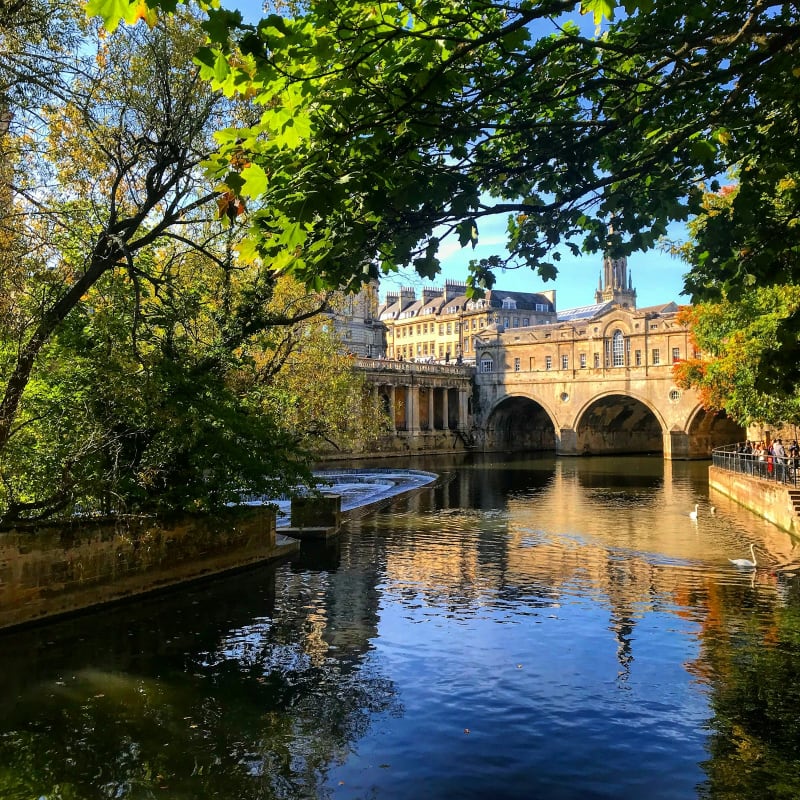
Image Attribution
- Brunel's SS Great Britain — (Photo by ian kelsall on Unsplash )
- Bath — (Photo by James Shaw on Unsplash )
When to go
Coach tours visiting Wiltshire, by departure month.
- Sept 2026 No tours
- Oct 2026 No tours
- Nov 2026 No tours
- Dec 2026 No tours
- Jan 2027 No tours
- Feb 2027 No tours
- Mar 2027 No tours
- Apr 2027 No tours
- May 2027 2 tours from £259
- Jun 2027 1 tour from £259
- Jul 2027 1 tour from £259
- Aug 2027 1 tour from £259
Places of Interest
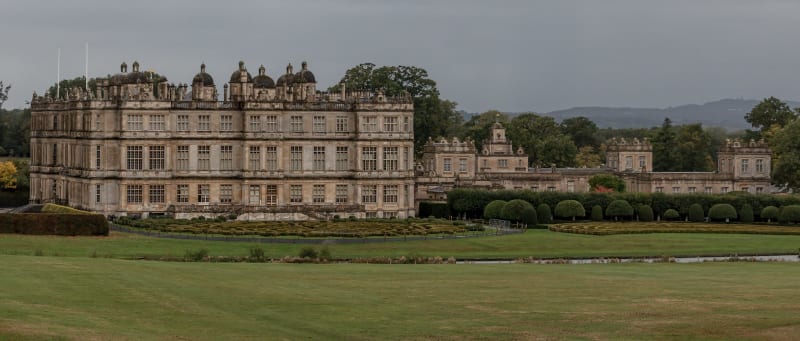
Longleat
Longleat is an Elizabethan estate in Wiltshire. Visitors can explore a grand house with lavish interiors and formal gardens, including one of the world's longest hedge mazes. The estate is best known for its safari park, where guests drive through reserves to see rhinos, giraffes, lions, and monkeys, or enjoy the nearby adventure park.
Tucked away in the Wiltshire woods near Warminster, Longleat is one of England's most impressive Elizabethan estates and the ancestral home of the Marquesses of Bath. Built in the late 16th century by Sir John Thynne and largely designed by Robert Smythson, this grand house sits symmetrically amidst a thousand acres of parkland later shaped by Capability Brown. In a groundbreaking move to protect its future, it became the first stately home to open to the public in 1949.
Today, Longleat is most famous for its safari park, which launched in 1966 as the first of its kind outside Africa. Guests can drive through reserves to see lions, giraffes, rhinos, and monkeys, or visit the nearby adventure park. Inside, the house is filled with lavish interiors, paintings, and tapestries, while the grounds offer beautiful formal gardens and one of the longest hedge mazes in the world.
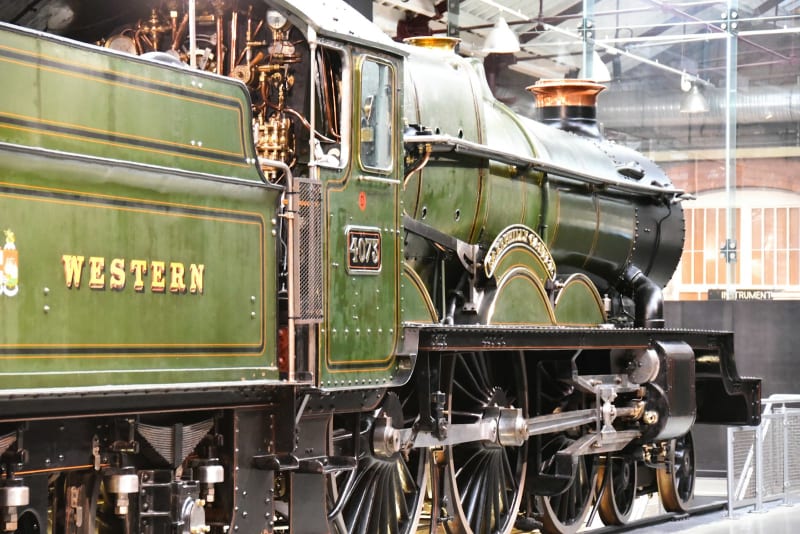
Museum of the Great Western Railway
STEAM is the Museum of the Great Western Railway in Swindon. Set in a restored locomotive workshop, it features preserved trains and carriages alongside interactive exhibits. Visitors can explore Brunel's engineering vision by trying a train simulator and working signal box levers. The museum is conveniently located next to the town's Designer Outlet.
Known simply as STEAM, the Museum of the Great Western Railway is set in a restored Grade II listed workshop in Swindon. It sits on the site of what was once one of the world's largest engineering complexes, which operated from the 1840s until 1986. The museum pays tribute to the people who built, worked on, and traveled via Brunel's Great Western Railway—fondly called "God's Wonderful Railway"—and opened in its current form in 2000 in the very space where locomotives were once put together.
Inside, you'll find gleaming preserved trains and carriages alongside exhibits that tell the human story of the town and its workers. The interactive elements are a real draw, letting you try a train simulator, work the levers in a signal box, and explore Brunel's massive engineering vision. Conveniently located next to Swindon's Designer Outlet, which also occupies old railway buildings, it's a fascinating place to spend a few hours.
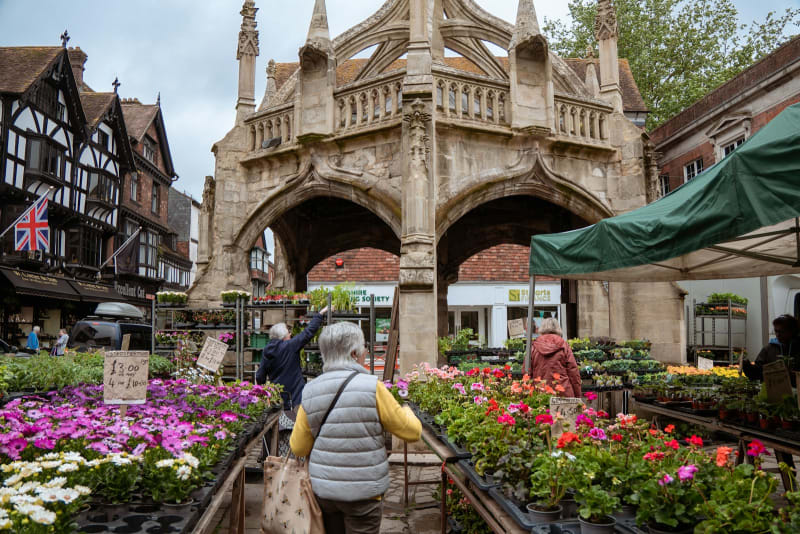
Salisbury
Salisbury is a historic city in Wiltshire situated in the Avon valley meadows. It is defined by its medieval street layout, timber-framed houses, and a busy market square. The city is dominated by its cathedral, which features Britain's tallest spire and a copy of the Magna Carta. Nearby attractions include the ancient sites of Old Sarum and Stonehenge.
Nestled in the heart of Wiltshire, the historic city of Salisbury sits where several rivers converge in the Avon valley meadows. The city took shape in the early 13th century when the community moved from the exposed hilltop of Old Sarum down to the valley floor; today, its medieval street layout, busy market square, and timber-framed houses are still there. Having served as a market town for eight centuries, Salisbury remains a vibrant regional hub.
The skyline is dominated by the magnificent cathedral, featuring Britain's tallest spire at 123 metres, which can be seen for miles. Inside, you'll find one of the four original copies of the 1215 Magna Carta. Past the cathedral close, visitors can stroll through quaint streets, browse the twice-weekly market, and explore local museums, with the ancient sites of Old Sarum and Stonehenge just a short trip away.
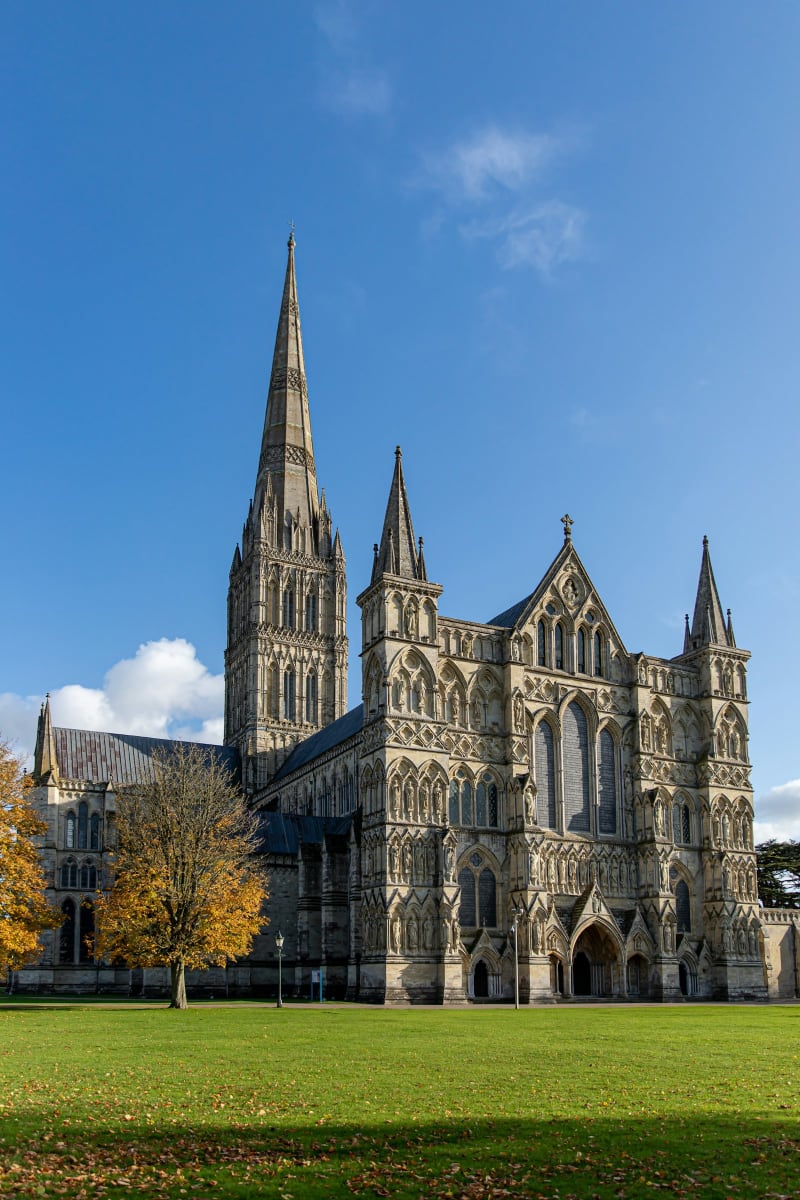
Salisbury Cathedral
Located in Wiltshire, Salisbury Cathedral is a Gothic masterpiece featuring Britain's tallest spire. Visitors come to see one of the four original copies of the Magna Carta and the world's oldest working mechanical clock. The site is known for its consistent architectural style, Purbeck marble columns and scenic cloisters.
Salisbury Cathedral is a stunning example of Early English Gothic architecture, sitting within a wide green close in the heart of Wiltshire. What makes it unique is that the main structure was built in one continuous stretch between 1220 and 1258, which gives the whole building a consistent look. Its massive spire, added shortly after, stands at 123 metres and is still the tallest in Britain, serving as a landmark visible for miles across the meadows and famously captured in Constable's paintings.
Inside, thin Purbeck marble columns lead your gaze up through the bright, open interior. The cathedral is home to one of the four remaining original copies of the 1215 Magna Carta in the medieval Chapter House, and it houses what is believed to be the oldest working mechanical clock in the world from the 1300s. Visitors can also wander through the lovely cloisters, see the modern font, or take a special tour to climb toward the base of the spire.
Wiltshire coach holidays: FAQs
How much does a coach holiday to Wiltshire cost?
Coach holidays visiting Wiltshire start from £259 per person. That's the lowest price across the 2 coach tours with upcoming departures; each tour's own dates and prices are listed above.
How long are coach holidays to Wiltshire?
Coach holidays visiting Wiltshire last between 3 and 5 days, travel days included.
When do coach tours to Wiltshire depart?
Upcoming departures run from May 2027 to September 2027. May 2027 has the most choice, with 2 tours departing.
Which coach holiday companies go to Wiltshire?
Tours visiting Wiltshire are run by Shearings. You book directly with the operator.
Image Attribution
- Wiltshire — (Photo by Hulki Okan Tabak on Unsplash )
- Longleat — (Photo by Ray Harrington on Unsplash )
- Museum of the Great Western Railway — (Photo by Jon Handley on Unsplash )
- Salisbury — (Photo by Taylor Keeran on Unsplash )
- Salisbury Cathedral — (Photo by Stephanie LeBlanc on Unsplash )